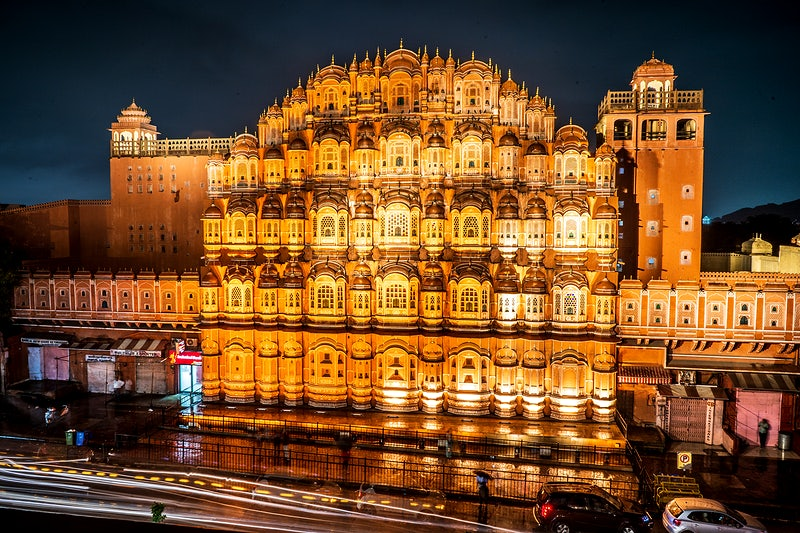
<p>Rajasthan is a destination where history, architecture, culture and landscapes come together in extraordinary ways.
Known as the Land of Kings, the state is home to magnificent forts, grand palaces, ancient temples, colourful
bazaars, tranquil lakes, wildlife reserves and the vast Thar Desert.p>
<p>For travelers, Rajasthan's appeal lies in its variety. You can explore the royal heritage of Jaipur in the morning,
walk through the blue lanes of Jodhpur in the afternoon, watch the sunset over Lake Pichola in Udaipur or spend an
evening surrounded by golden sand dunes in Jaisalmer. Beyond these famous cities, places such as Pushkar,
Chittorgarh, Bundi, Bikaner, Mount Abu, Ranthambore and Bharatpur offer completely different experiences.p>
<p>The state has a remarkable concentration of historical landmarks. Rajasthan Tourism's current destination listings
include cities ranging from Jaipur, Udaipur and Jodhpur to Jaisalmer, Pushkar, Chittorgarh, Bundi, Bikaner, Ajmer,
Alwar and Mount Abu.p>
<p>Whether you are planning a family holiday, a romantic getaway, a heritage tour, a wildlife adventure or your first
Rajasthan trip, there are plenty of attractions to make the journey memorable.p>
Best Tourist Attractions in Rajasthan
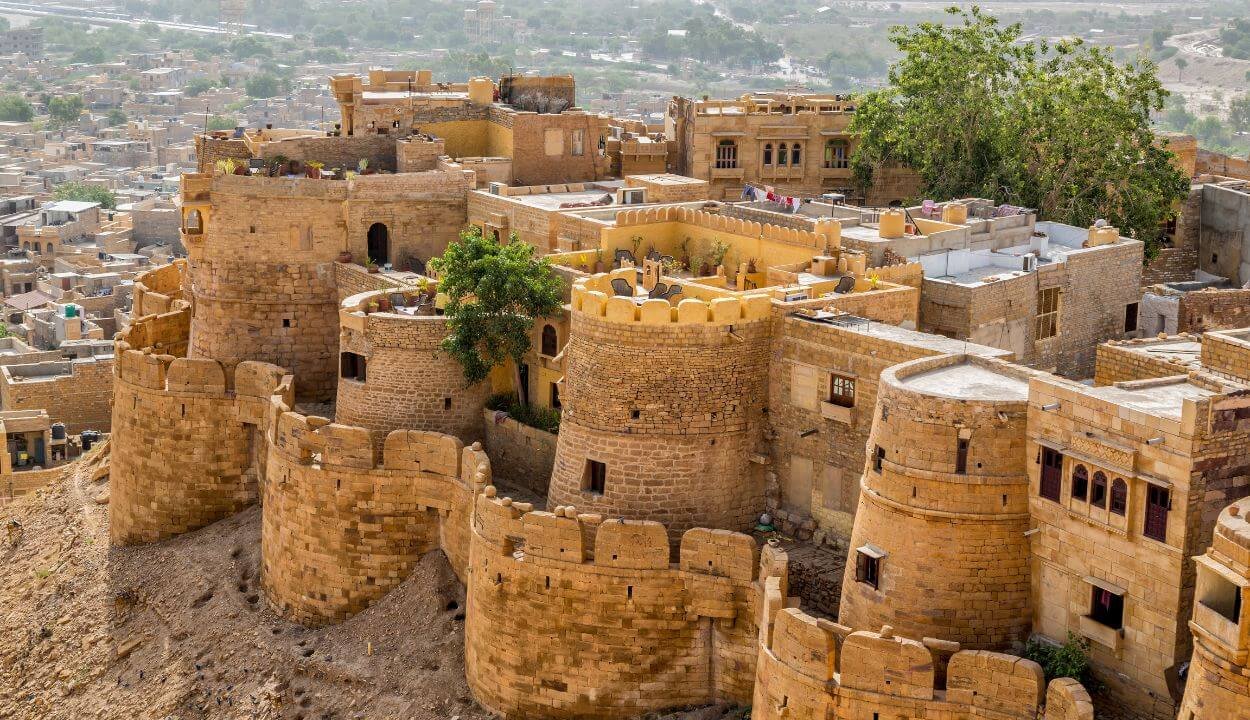
The most popular tourist attractions in Rajasthan include iconic forts, palaces, lakes, temples, historic cities and natural destinations. Some attractions can be explored as part of a single-city itinerary, while others are ideal for road trips connecting different parts of the state.
Here are some of the places that deserve a place on your Rajasthan travel itinerary.
Amer Fort, Jaipur
Amer Fort, also known as Amber Fort, is one of the most spectacular monuments in Rajasthan and a highlight of any Jaipur sightseeing tour.
Located in the Aravalli Hills outside Jaipur, the fort combines Rajput and Mughal architectural influences. Its grand gateways, courtyards, ornate halls, carved details and mirror work showcase the artistic sophistication of the former royal era.
The fort overlooks Maota Lake, adding to its dramatic setting. Visitors can explore the different courtyards and palace areas while learning about the history of the Kachwaha rulers.
Rajasthan Tourism notes that Amer Fort is about 11 kilometres from Jaipur and is a UNESCO World Heritage Site.
For first-time visitors, Amer Fort is one of the essential places to visit in Rajasthan.
City Palace, Jaipur
Located in the heart of the Pink City, City Palace is an impressive complex of courtyards, gateways, gardens, museums and royal residences.
The palace reflects Jaipur's royal heritage and architectural evolution. Its decorative entrances, intricate artwork and elegant courtyards provide plenty to explore.
The complex also offers an opportunity to understand how the former royal family lived and governed the city.
City Palace is particularly convenient for travellers because it is close to several other famous Jaipur attractions, making it easy to include in a full-day sightseeing itinerary.
Hawa Mahal, Jaipur
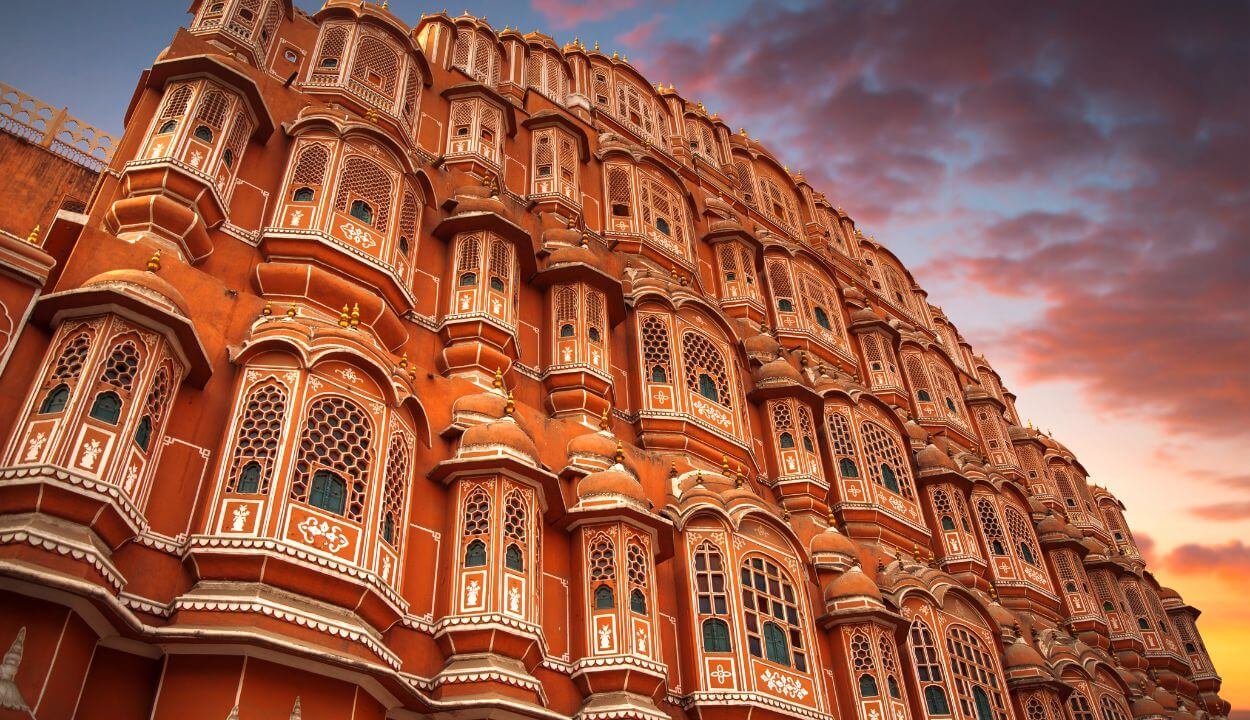
Hawa Mahal is perhaps Jaipur's most recognizable landmark.
The five-storey structure, built in 1799, is famous for its honeycomb-like facade containing numerous small jharokhas, or latticed windows. The design allowed members of the royal household to observe activities in the streets while remaining largely unseen.
Its distinctive pink and red sandstone facade has become an enduring symbol of Jaipur.
The monument looks particularly attractive in the soft morning light, making an early visit worthwhile for travellers interested in photography.
Rajasthan Tourism describes Hawa Mahal as a unique five-storey structure blending Hindu and Islamic architectural influences.
Jantar Mantar, Jaipur
Jantar Mantar is one of the most fascinating attractions in Jaipur for visitors interested in science, astronomy and history.
The UNESCO World Heritage Site contains a collection of large astronomical instruments built during the reign of Maharaja Sawai Jai Singh II.
These geometric structures were designed to measure time, observe celestial bodies and study astronomical positions.
Unlike many historical monuments that focus primarily on architecture, Jantar Mantar demonstrates the scientific knowledge and astronomical interests of 18th-century India.
Its location near City Palace and Hawa Mahal also makes it easy to combine with other attractions in the old city.
Jal Mahal, Jaipur
Jal Mahal appears to float in the middle of Man Sagar Lake and is one of Jaipur's most photographed landmarks.
The palace's sandstone architecture contrasts beautifully with the surrounding water and the Aravalli Hills.
Although visitors generally admire the palace from the lakeside rather than exploring its interiors, the view itself makes Jal Mahal a worthwhile stop.
It is especially attractive around sunrise and sunset when the changing light creates reflections across the lake.
Rajasthan Tourism describes Jal Mahal as one of Jaipur's most wonderful sights and highlights the contrast between its sandstone walls and the blue waters of Man Sagar Lake.
Nahargarh Fort, Jaipur
Nahargarh Fort sits high on the Aravalli Hills and offers sweeping views over Jaipur.
Originally constructed as part of Jaipur's defensive system, the fort later became associated with royal retreats.
Its elevated location makes it particularly popular around sunset, when the Pink City begins to glow below.
Inside the fort complex, Madhavendra Bhawan features a series of interconnected suites with decorative interiors.
For travellers who want a combination of history and panoramic views, Nahargarh Fort is one of the best places to add to a Jaipur itinerary.
Jaigarh Fort, Jaipur
Jaigarh Fort is another impressive hilltop fort overlooking the Jaipur region.
Built in the rugged Aravalli landscape, the fort is known for its strong defensive architecture and extensive walls.
It is particularly famous for Jaivana, the enormous cannon historically associated with the fort.
The fort also offers excellent views towards Amer Fort and the surrounding hills.
Rajasthan Tourism places Jaigarh Fort approximately 15 kilometres from Jaipur and describes its location amid arid, rocky hills.
City Palace, Udaipur
Udaipur's City Palace is one of the most impressive palace complexes in Rajasthan.
Built on the eastern shore of Lake Pichola, the palace rises above the water and provides spectacular views of the lake and surrounding city.
The complex includes courtyards, terraces, balconies, corridors, gardens and richly decorated interiors. Its architecture reflects the grandeur of the Mewar dynasty.
Among its most memorable details are the Mor Chowk with its elaborate peacock mosaics and the numerous decorative elements found throughout the palace.
Rajasthan Tourism describes the City Palace as a vast architectural complex overlooking Lake Pichola and highlights its courtyards, pavilions, terraces and distinctive decorative features.
Lake Pichola, Udaipur
Lake Pichola is central to Udaipur's romantic appeal.
The lake is surrounded by palaces, temples, historic buildings and hills, creating one of the most beautiful urban landscapes in Rajasthan.
A boat ride on Lake Pichola is among the most popular experiences in Udaipur. The views of City Palace, Jag Mandir and the Lake Palace become particularly beautiful around sunset.
The experience is especially appealing to couples, photographers and travellers looking for a relaxed break after visiting Udaipur's historic monuments.
Jag Mandir, Udaipur
Jag Mandir is an elegant island palace located on Lake Pichola.
Also known as the Lake Garden Palace, it was developed over several stages beginning in the 17th century. Its island setting gives it a distinctive character that separates it from the larger palace complexes around Udaipur.
Visitors often see Jag Mandir during a boat ride on Lake Pichola.
Rajasthan Tourism notes that construction began around 1620 and was completed around 1652, and that the palace was used as a summer retreat and venue for royal gatherings.
Sajjangarh Monsoon Palace, Udaipur
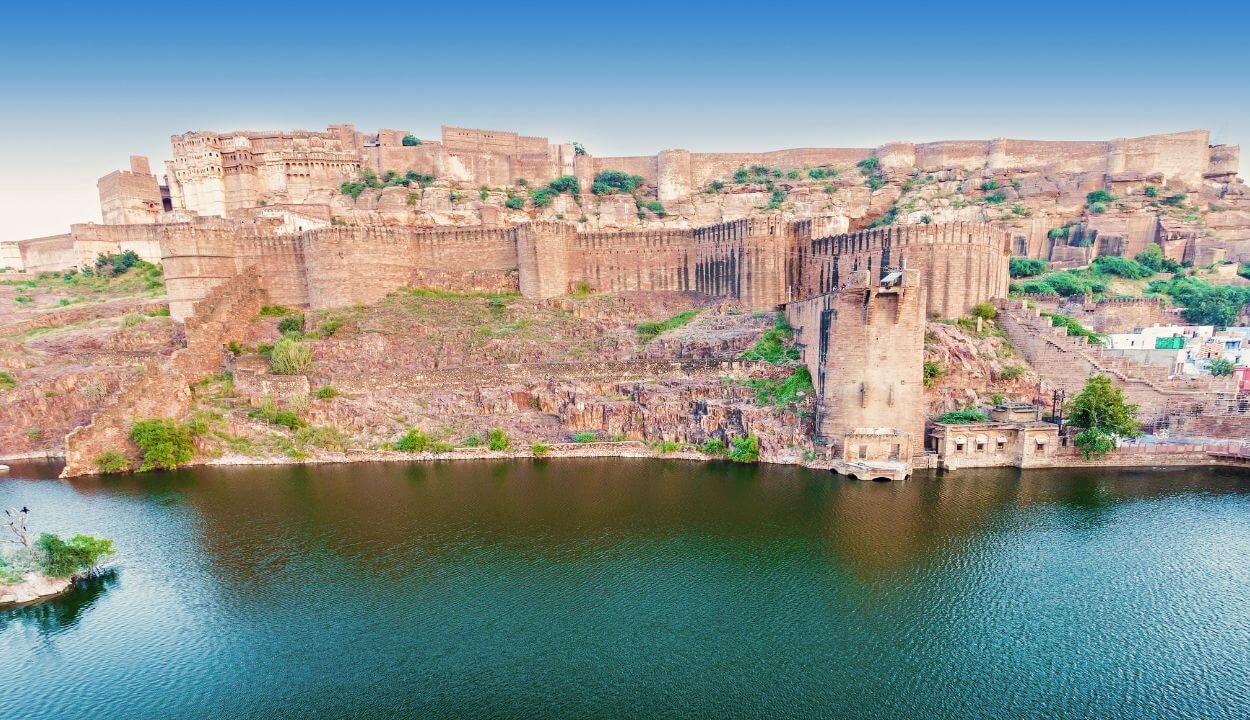
Sajjangarh, popularly called Monsoon Palace, stands on a hill overlooking Udaipur.
Maharana Sajjan Singh originally conceived the 19th-century palace as a monsoon retreat and was also intended for astronomical purposes.
Its elevated position provides panoramic views across Udaipur, its lakes and the surrounding Aravalli landscape.
Sunset is one of the most popular times to visit because of the expansive views.
Rajasthan Tourism describes the Monsoon Palace as a 19th-century structure built on the Bansdara Hills and notes its spectacular views of Udaipur and the surrounding region.
Mehrangarh Fort, Jodhpur
Mehrangarh Fort is one of the most imposing forts in India and the defining landmark of Jodhpur.
Rising dramatically above the Blue City, the fort dominates the skyline from its rocky hilltop position.
Inside, visitors can explore palaces, courtyards, galleries and museum collections that preserve objects associated with the royal court.
The fort's massive walls, ornate windows, richly decorated halls and commanding views make it an extraordinary combination of military architecture and royal artistry.
Rajasthan Tourism describes Mehrangarh as a historic fortress rising above Jodhpur's skyline and highlights its palaces, museum collections and intricate architectural details.
A visit to Jodhpur without seeing Mehrangarh Fort would be incomplete.
Umaid Bhawan Palace, Jodhpur
Umaid Bhawan Palace is one of the grandest palaces in Jodhpur.
Built during the reign of Maharaja Umaid Singh, the palace was constructed during a period of famine and provided employment to local people.
The building combines sandstone and marble with influences from Indo-Saracenic, Classical Revival and Art Deco architecture.
Part of the palace continues to serve as a royal residence, while other sections have become a museum and hotel.
Its architecture and enormous scale make it one of the most distinctive attractions in Jodhpur.
The Blue City, Jodhpur
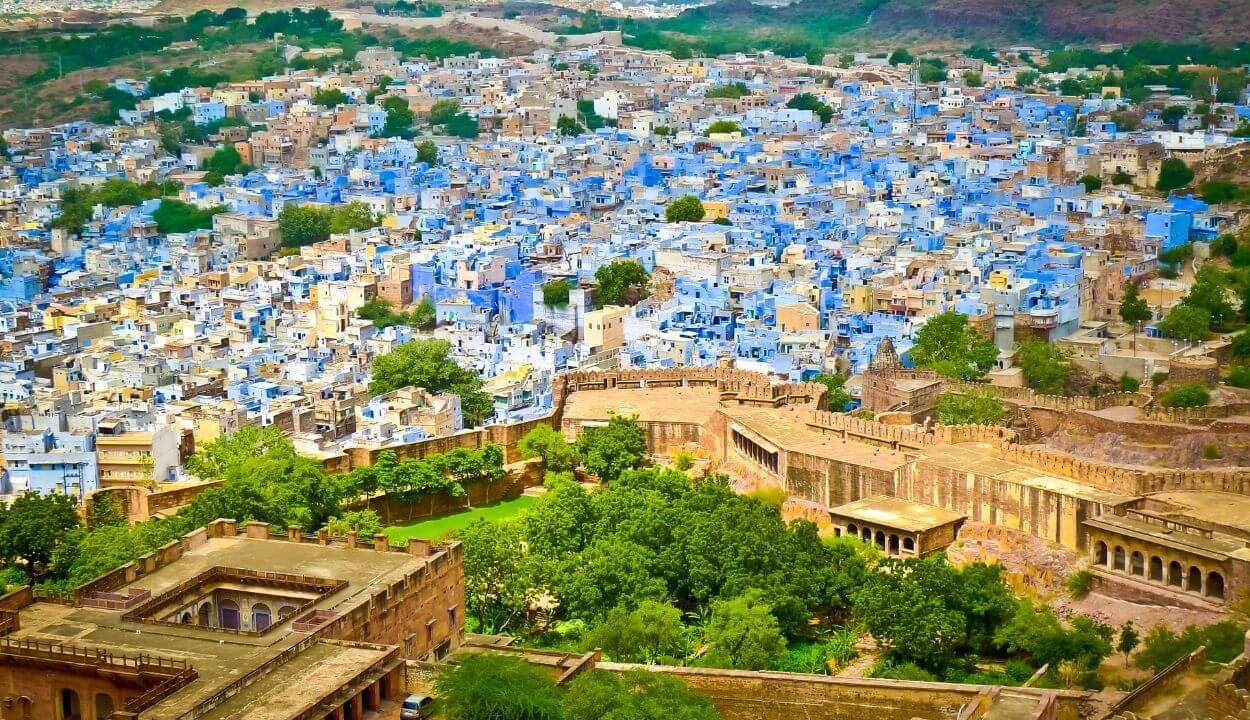
Jodhpur is popularly known as the Blue City because many houses in the old city are painted in distinctive shades of blue.
Walking through the narrow lanes around Mehrangarh Fort provides a completely different experience from visiting a conventional monument.
The blue-painted houses, old havelis, local shops, temples and markets create an atmospheric neighbourhood that rewards slow exploration.
Rajasthan Tourism describes Jodhpur as Rajasthan's second-largest city and highlights its blue architecture, forts, palaces, temples and havelis.
A guided heritage walk can be a good way to understand the stories behind the old neighbourhoods.
Jaisalmer Fort, Jaisalmer
Jaisalmer Fort is one of Rajasthan's most remarkable attractions because it is a living fort.
Built from golden-yellow sandstone, the massive fort rises above the Thar Desert and appears to change colour depending on the light.
Unlike many historic forts that exist primarily as monuments, Jaisalmer Fort continues to contain homes, shops, temples, restaurants and other establishments.
The fort's narrow lanes lead visitors through a fascinating combination of historic architecture and everyday life.
Rajasthan Tourism describes Jaisalmer as the gateway to the Thar Desert and highlights Jaisalmer Fort as one of India's famous living forts.
Patwon Ki Haveli, Jaisalmer
Patwon Ki Haveli is one of the finest examples of the ornate haveli architecture found in Jaisalmer.
The complex is known for its intricately carved sandstone facades, balconies, windows and decorative details.
Located in the historic city, the haveli offers a closer look at the architectural traditions of wealthy merchants who played an important role in Jaisalmer's history.
It is an excellent attraction to combine with Jaisalmer Fort and the nearby old markets.
Sam Sand Dunes, Jaisalmer
For many travellers, no Rajasthan trip feels complete without experiencing the Thar Desert.
Sam Sand Dunes, near Jaisalmer, is one of the most popular areas for desert experiences.
Visitors can enjoy camel safaris, jeep rides, sunset views and traditional cultural programmes at desert camps.
The landscape changes dramatically around sunset, when the golden dunes create an unforgettable setting for photography.
For a more immersive experience, spending a night at a desert camp allows travellers to enjoy folk music, dance and traditional Rajasthani food beneath the open sky.
Pushkar Lake, Pushkar
Pushkar is one of Rajasthan's most distinctive destinations, combining spirituality, history and a vibrant local atmosphere.
At the centre of the town lies Pushkar Lake, surrounded by numerous ghats and temples.
The lake has deep religious significance and attracts pilgrims throughout the year.
The surrounding lanes are filled with cafe's, handicraft shops, traditional clothing stores and colourful local markets.
Rajasthan Tourism describes Pushkar as one of India's oldest existing cities and highlights its location beside the sacred lake and its famous temple traditions.
Brahma Temple, Pushkar
Pushkar is home to the famous Brahma Temple, one of the few major temples in India dedicated to Lord Brahma.
The temple is an important pilgrimage site and attracts devotees and travellers interested in Indian architecture and religious heritage.
Its location close to Pushkar Lake makes it easy to include in a walking tour of the town.
The surrounding streets also offer opportunities to experience Pushkar's distinctive spiritual atmosphere.
Chittorgarh Fort, Chittorgarh
Chittorgarh Fort is one of the most significant historical attractions in Rajasthan.
Spread across a large hilltop area, the fort represents the power and legacy of the Mewar kingdom.
The complex contains temples, palaces, towers, reservoirs and other historic structures.
Among its famous landmarks are Vijay Stambh, Kirti Stambh, Rana Kumbha Palace and Padmini's Palace.
The fort is closely associated with stories of Rajput valour, sacrifice and resistance, making it an important destination for travellers interested in Rajasthan's history.
Rajasthan Tourism describes Chittorgarh as a city that embodies the Rajput spirit and identifies the fort as its defining attraction.
Ranthambore National Park
Ranthambore offers a completely different side of Rajasthan.
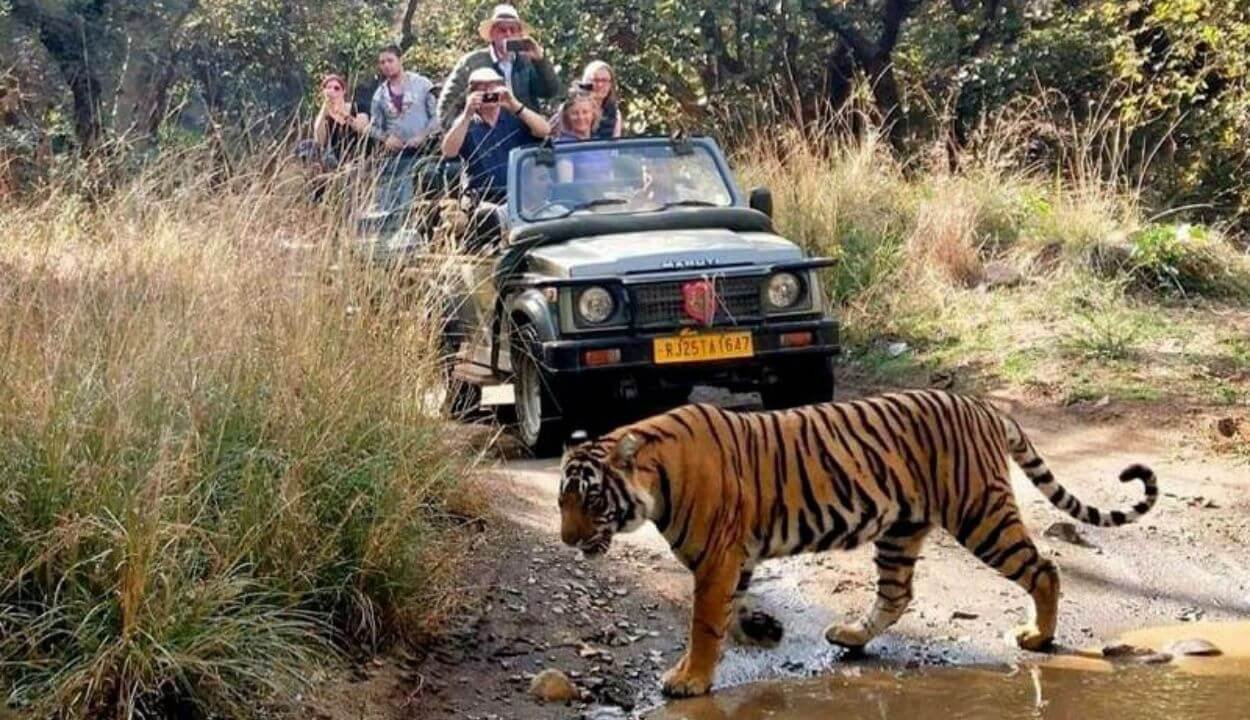
Located around Sawai Madhopur, the national park is one of India's best-known wildlife destinations and is particularly associated with Bengal tiger sightings.
The landscape combines dry forests, grasslands, lakes and historic ruins, creating a striking environment for wildlife safaris.
A safari provides opportunities to encounter a variety of animals and birds while exploring the natural landscape.
The presence of Ranthambore Fort within the broader landscape adds another layer to the experience, combining wildlife with heritage.
Rajasthan Tourism describes Sawai Madhopur as the gateway to Ranthambore.
Ranthambore Fort
Located within the Ranthambore landscape, the historic fort occupies a strategic hilltop position.
The fort's ancient walls, gateways and ruins provide a dramatic contrast to the surrounding forests.
The combination of a wildlife safari and fort visit makes Ranthambore particularly appealing for travellers who do not want a conventional city-based holiday.
Mount Abu
Mount Abu is Rajasthan's only major hill station and provides a refreshing contrast to the state's desert landscapes.
Located in the Aravalli Hills, the destination offers cooler weather, forested landscapes, viewpoints and lakes.
Nakki Lake is one of the most popular attractions, while the Dilwara Temples are renowned for their extraordinary marble craftsmanship.
Mount Abu is particularly attractive during the warmer months when visitors are looking for a pleasant escape from the heat of the plains.
Rajasthan Tourism describes Mount Abu as a hill station that provides relief from Rajasthan's hot desert climate.
Dilwara Temples, Mount Abu
The Dilwara Temples are among the finest examples of Jain temple architecture in India.
Built primarily from marble, the temples are famous for their extraordinarily detailed carvings.
Pillars, ceilings, arches and decorative panels display an astonishing level of craftsmanship.
The understated exterior contrasts with the elaborate interiors, making the temples especially rewarding for visitors interested in architecture and traditional craftsmanship.
Visitors should remember that the temples are active religious sites and follow the applicable rules regarding photography, clothing and conduct.
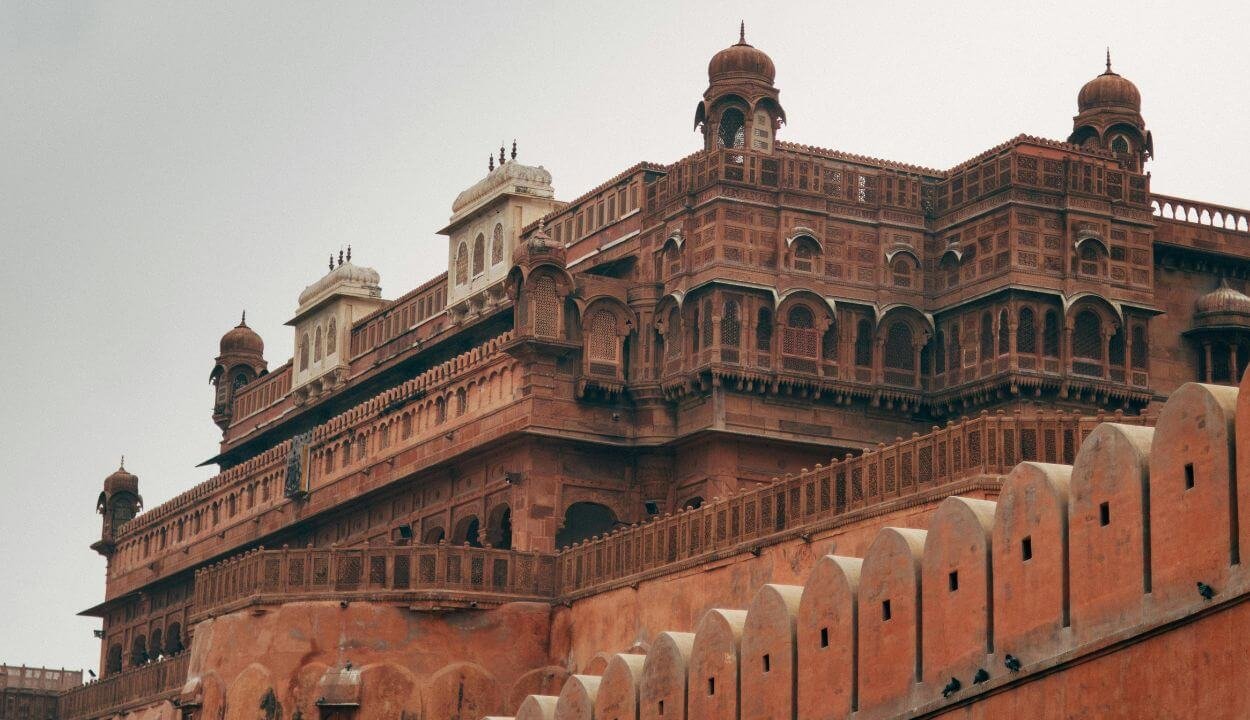
Junagarh Fort, Bikaner
Junagarh Fort is one of Bikaner's most important historical attractions.
Unlike many famous Rajasthan forts that were built on hilltops, Junagarh stands on the plains.
The complex includes palaces, courtyards, balconies and richly decorated interiors that reflect different periods of Bikaner's royal history.
The fort provides a fascinating insight into the artistic and architectural traditions of the region.
Bikaner itself is known for its connection with camel culture, traditional food and desert heritage, making a visit to Junagarh Fort easy to combine with other local experiences.
Karni Mata Temple, Deshnok
Located near Bikaner, Karni Mata Temple at Deshnok is one of Rajasthan's most unusual religious attractions.
The temple is famous for the large number of rats that are considered sacred and protected within the temple complex.
For visitors unfamiliar with the tradition, the experience can be surprising, but it offers a fascinating insight into the diversity of religious customs found across India.
Visitors should approach the temple respectfully and follow local rules regarding footwear, photography and behaviour.
Bundi Palace, Bundi
Bundi is one of Rajasthan's quieter heritage destinations and is particularly attractive for travellers who prefer historic towns away from the busiest tourist routes.
Bundi Palace is known for its murals, royal architecture and hillside setting.
The town itself is filled with narrow lanes, old havelis, stepwells and historic buildings.
Rajasthan Tourism describes Bundi as a town dotted with palaces and forts and notes its distinctive fairy-tale character.
Visiting Bundi can feel like entering a slower and more intimate version of Rajasthan.
Stepwells of Bundi
Bundi is famous for its historic stepwells, which reflect the importance of water management in Rajasthan's traditional architecture.
These structures were built to provide water access while functioning as architectural and social spaces.
Taragarh Fort, Bundi Palace and the stepwells can be explored together during a heritage-focused visit.
For travellers interested in architecture beyond the grand forts and palaces, Bundi's stepwells are particularly rewarding.
Ajmer Sharif Dargah, Ajmer
Ajmer is one of Rajasthan's most important pilgrimage destinations and is home to the Ajmer Sharif Dargah.
The shrine is dedicated to Khwaja Moinuddin Chishti and attracts visitors from different parts of India and beyond.
The atmosphere around the dargah is deeply spiritual, with pilgrims, visitors and local communities gathering throughout the year.
Ajmer is also conveniently located near Pushkar, making it easy to combine both destinations in the same Rajasthan itinerary.
Rajasthan Tourism describes Ajmer as a pilgrim city and an important destination in the state.
Keoladeo National Park, Bharatpur
Keoladeo National Park is one of India's most important bird-watching destinations.
The wetland ecosystem attracts a remarkable variety of resident and migratory birds, making it particularly appealing to birdwatchers and nature lovers.
Cycling or walking through the park can provide a peaceful contrast to the busy streets and monumental architecture found elsewhere in Rajasthan.
Bharatpur itself is known as an important eastern gateway to the state and offers a different landscape from the desert regions of western Rajasthan.
Alwar and Its Heritage Attractions
Alwar offers a combination of forts, palaces, lakes and natural landscapes.
The city's heritage reflects the influence of different ruling dynasties and its location close to the Delhi-NCR region makes it a convenient addition to a Rajasthan road trip.
The City Palace, Bala Quila and nearby heritage attractions provide plenty for history enthusiasts to explore.
Rajasthan Tourism describes Alwar as a gateway city with numerous forts and palaces.
Sariska Tiger Reserve
Sariska offers another opportunity to experience Rajasthan's wildlife.
The reserve is known for its dry deciduous forests, grasslands and wildlife, including Bengal tigers, leopards, deer and numerous bird species.
Its proximity to Alwar and Delhi makes it a practical option for travellers looking to add a wildlife experience to a Rajasthan itinerary.
A safari through the reserve provides a refreshing contrast to the state's historic cities and desert landscapes.
Kumbhalgarh Fort
Kumbhalgarh Fort is one of the most impressive hill forts in Rajasthan.
Located amid the Aravalli Hills, the fort is famous for its massive defensive walls and dramatic mountain setting.
The fort is associated with Maharana Kumbha and the history of the Mewar kingdom.
Its remote setting makes the journey part of the experience. The surrounding hills and countryside provide a beautiful contrast to the urban attractions of Jaipur, Jodhpur and Udaipur.
Kumbhalgarh can be combined with Udaipur for travellers interested in exploring the broader heritage of the Mewar region.
Ranakpur Jain Temple
Ranakpur is renowned for its magnificent Jain temple architecture.
The main temple is celebrated for its intricate marble carvings, numerous pillars and highly detailed interiors.
The temple's setting amid the Aravalli landscape adds to its appeal.
It is particularly suitable for travellers interested in architecture, spirituality and craftsmanship.
A visit to Ranakpur can also be combined with Kumbhalgarh, making both attractions part of a heritage road trip through southern Rajasthan.
Rajasthan's Living Heritage
One of the most remarkable things about Rajasthan is that many of its historical attractions are not simply preserved monuments.
Jaisalmer Fort remains a living urban space. Jaipur's old city continues to function as a vibrant commercial centre. Pushkar's ghats and temples remain important pilgrimage sites, while local markets across the state continue traditions of craftsmanship and trade.
This living connection between the past and present is what makes sightseeing in Rajasthan particularly engaging.
You are not just watching history from behind a glass display. In many places, you can see how architecture, traditions, crafts, food and daily life continue to exist alongside centuries-old monuments.
Best Tourist Attractions in Rajasthan for Couples
Rajasthan is an excellent destination for couples because of its combination of romantic landscapes, heritage hotels, lakes, palaces and cultural experiences.
Udaipur is an obvious choice, with Lake Pichola, City Palace and sunset boat rides creating a particularly romantic atmosphere.
Jaisalmer offers desert sunsets and overnight stays at luxury or traditional camps.
Jaipur combines heritage sightseeing with elegant hotels, rooftop dining and colourful markets.
Jodhpur offers spectacular views from Mehrangarh Fort and atmospheric walks through the Blue City.
For couples looking for something quieter, Bundi and Mount Abu can provide a more relaxed experience.
Best Tourist Attractions in Rajasthan for Families
Families can find many attractions that appeal to different age groups.
Jaipur is particularly convenient because it combines forts, palaces, museums and markets within a relatively compact itinerary.
Ranthambore is an exciting option for families interested in wildlife.
Udaipur offers boat rides and lakeside attractions, while Jaisalmer provides camel rides and desert experiences.
Bikaner and Pushkar add opportunities to explore local culture, food and markets.
For families travelling with young children, it is useful to avoid packing too many monuments into a single day. Rajasthan's heat, walking distances and travel times can make a slower itinerary much more enjoyable.
Best Tourist Attractions in Rajasthan for History Lovers
History enthusiasts are spoiled for choice in Rajasthan.
Amer Fort, Chittorgarh Fort, Mehrangarh Fort, Kumbhalgarh Fort, Jaisalmer Fort and Junagarh Fort all offer different perspectives on the region's political and military history.
Palaces such as City Palace Jaipur, City Palace Udaipur and Umaid Bhawan Palace provide insight into royal life and architecture.
Historic towns such as Bundi and Pushkar add another dimension through their temples, havelis, stepwells and traditional neighbourhoods.
A heritage-focused Rajasthan tour can therefore be much deeper than simply visiting the state's most photographed monuments.
Best Tourist Attractions in Rajasthan for Nature Lovers
Although Rajasthan is strongly associated with forts and deserts, the state has surprisingly diverse natural landscapes.
Ranthambore and Sariska offer wildlife experiences.
Keoladeo provides outstanding bird-watching opportunities.
Mount Abu introduces travellers to the forested Aravalli Hills.
The lakes of Udaipur offer beautiful scenery, while the Thar Desert provides a completely different kind of landscape.
For travellers who enjoy nature, combining heritage attractions with wildlife and outdoor experiences can make a Rajasthan trip much more balanced.
Best Time to Visit Tourist Attractions in Rajasthan
The ideal time to explore most of Rajasthan is generally from October to March, when temperatures are more comfortable for sightseeing.
Winter is especially popular because travellers can comfortably explore forts, markets, temples and outdoor attractions during the day.
The cooler months are also suitable for desert experiences in Jaisalmer and wildlife safaris in places like Ranthambore.
Summer can be very hot, particularly in desert areas, although destinations such as Mount Abu offer a more pleasant alternative.
The monsoon can bring a different charm to Rajasthan, particularly around Udaipur, Mount Abu and the Aravalli region.
Festival dates can also influence the ideal time to visit. Travellers interested in events such as the Pushkar Fair, Gangaur, Teej or the Jaisalmer Desert Festival should plan according to the festival calendar rather than relying solely on the season.
How Many Days Are Enough to Explore Rajasthan?
The number of days required depends on how many destinations you want to cover.
A three- to four-day trip can focus on Jaipur and nearby attractions.
A five- to six-day itinerary can combine Jaipur, Jodhpur or Udaipur.
For a more comprehensive Rajasthan experience, seven to ten days allows you to combine several major destinations with less rushed travel.
A longer trip of ten to fourteen days can include Jaipur, Udaipur, Jodhpur, Jaisalmer, Pushkar, Bikaner or Ranthambore, depending on your interests.
It is better to spend enough time in each destination than to attempt to see the entire state in a few days.
Popular Rajasthan Tourist Circuits
One of the easiest ways to plan a Rajasthan holiday is to follow a popular travel circuit.
The classic Golden Triangle route connects Delhi, Agra and Jaipur and is particularly suitable for first-time visitors combining Rajasthan with the Taj Mahal.
A classic Rajasthan heritage circuit can connect Jaipur, Jodhpur, Udaipur and Jaisalmer.
Travelers interested in spirituality can combine Ajmer and Pushkar with Jaipur.
Wildlife enthusiasts can add Ranthambore to a Jaipur itinerary.
Those interested in Mewar heritage can explore Udaipur, Kumbhalgarh, Chittorgarh and Ranakpur.
The right route depends on whether your priority is history, architecture, culture, wildlife, desert experiences or a mixture of everything.
Tips for Visiting Tourist Attractions in Rajasthan
Rajasthan is relatively easy to explore, but a little planning can make the journey considerably more comfortable.
Start sightseeing early, particularly during warmer months. Popular monuments are generally more enjoyable before the crowds and midday heat become intense.
Wear comfortable footwear because many forts and historic areas involve considerable walking, stairs and uneven surfaces.
Carry water, sunglasses, sunscreen and a hat when visiting outdoor attractions.
Keep some flexibility in your itinerary because travel between cities can take longer than expected.
If you are visiting religious sites, dress appropriately and follow local rules.
Hiring a knowledgeable local guide can make a major difference at large forts and palace complexes because the stories behind the architecture are often as interesting as the buildings themselves.
For desert excursions, choose established operators and confirm what is included in the package before booking.
Most importantly, give yourself time to explore beyond the headline attractions. Rajasthan's local markets, food, crafts, neighbourhoods and cultural performances can be just as memorable as its famous monuments.
Frequently Asked Questions About Tourist Attractions in Rajasthan
What are the top tourist attractions in Rajasthan?
Some of the top tourist attractions in Rajasthan include Amer Fort, Hawa Mahal, City Palace Jaipur, Jantar Mantar, Mehrangarh Fort, City Palace Udaipur, Lake Pichola, Jaisalmer Fort, Pushkar Lake, Chittorgarh Fort, Ranthambore National Park, Mount Abu and Kumbhalgarh Fort.
Which is the most visited place in Rajasthan?
Jaipur is one of Rajasthan's most popular destinations, thanks to its combination of forts, palaces, markets, museums and historic architecture. Udaipur, Jodhpur, Jaisalmer and Pushkar are also popular among travelers.
Which city is best for a first Rajasthan trip?
Jaipur is an excellent starting point because it offers a broad introduction to Rajasthan's architecture, history, food, shopping and culture. Travellers with more time can continue to Udaipur, Jodhpur, Jaisalmer or Pushkar.
Which is the most beautiful place in Rajasthan?
Beauty is subjective, but Udaipur is particularly famous for its lakes, palaces and Aravalli surroundings. Jaisalmer is spectacular for its golden architecture and desert landscapes, while Jodhpur is known for its Blue City and imposing Mehrangarh Fort.
What is Rajasthan famous for?
Rajasthan is famous for its forts, palaces, royal heritage, colourful markets, folk music and dance, traditional food, handicrafts, desert landscapes and vibrant festivals.
Which fort is a must-visit in Rajasthan?
Amer Fort, Mehrangarh Fort, Jaisalmer Fort, Chittorgarh Fort and Kumbhalgarh Fort are among the most important forts to be included in a Rajasthan itinerary. Each offers a different architectural and historical experience.
Is Rajasthan suitable for a family holiday?
Yes. Rajasthan offers attractions for families of different ages, including forts, palaces, museums, lakes, wildlife safaris, camel rides and cultural experiences. Jaipur, Udaipur, Jaisalmer and Ranthambore are particularly popular choices.
How many days are ideal for a Rajasthan tour?
Seven to ten days is a good starting point for experiencing several major destinations without making the itinerary excessively rushed. Travelers within two weeks can explore the state more extensively.
What is the best time to visit Rajasthan?
October to March is generally the most comfortable period for sightseeing across Rajasthan. However, the best time can vary depending on your itinerary and whether you want to attend a particular festival or visit a specific wildlife destination.
Discover the Many Sides of Rajasthan
The beauty of Rajasthan is that no two destinations feel exactly the same.
Jaipur introduces you to the grandeur of the Pink City, with its elaborate palaces, hill forts and historic observatories. Udaipur surrounds you with lakes, palaces and the romantic atmosphere of Mewar. Jodhpur rises dramatically beneath Mehrangarh Fort, with blue-painted homes stretching across the old city.
Further west, Jaisalmer transforms the experience completely with golden sandstone architecture and the vast Thar Desert. Pushkar offers spirituality and colourful local life, while Chittorgarh and Kumbhalgarh reveal the extraordinary history of Mewar.
Then there are the destinations that offer a quieter side of Rajasthan: Bundi's stepwells and murals, Mount Abu's hills, Bharatpur's wetlands and Alwar's heritage.
This diversity is what makes Rajasthan such a rewarding destination. You can spend one day walking through a royal palace and the next watching wildlife, exploring a desert or sitting beside a lake at sunset.
The top tourist attractions in Rajasthan are therefore not simply a collection of monuments to tick off a list. Together, they tell the story of a state where history, architecture, nature and living traditions continue to exist side by side.
Whether this is your first visit or you are returning to discover another region, Rajasthan always has another fort to explore, another market to wander through, another local dish to taste and another unforgettable landscape waiting around the next turn.
Explore Rajasthan With Comfort & Luxury
Book customized Rajasthan tours with taxi, hotel stay, sightseeing and local travel support.
Enquiry Now Call Us NowBlog Categories
Explore blogs by category

The Famous Food of Rajasthan A Delicious Journey Through the Flavours of the Royal State
.jpg)
Festivals in Rajasthan
Explore the Best Bazaars for Shopping Handicrafts and Local Treasures
.jpg)
Uttarakhand Tourism Guide 2026: Explore Char Dham, Hill Stations, Wildlife & Himalayan Adventures
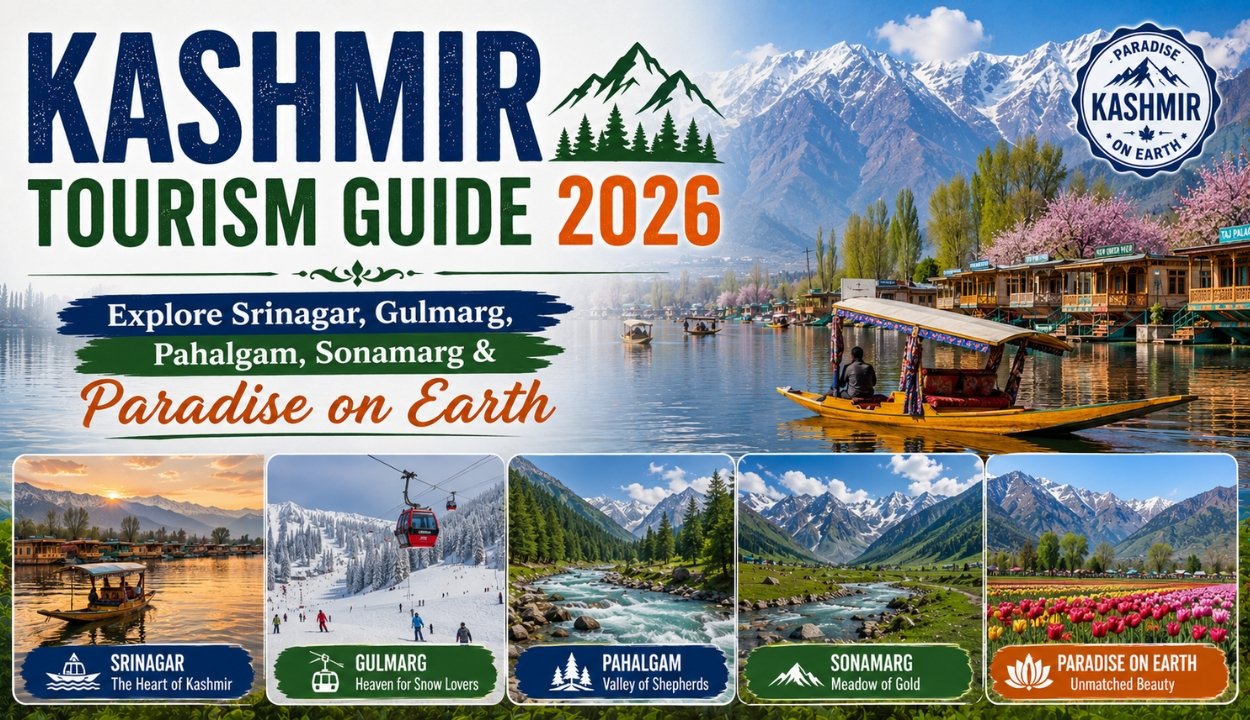
Kashmir Tourism Guide 2026: Explore Srinagar, Gulmarg, Pahalgam, Sonamarg & Paradise on Earth
Need Instant Help?
Chat directly with our travel expert and get quick pricing & tour details.
WhatsApp Now