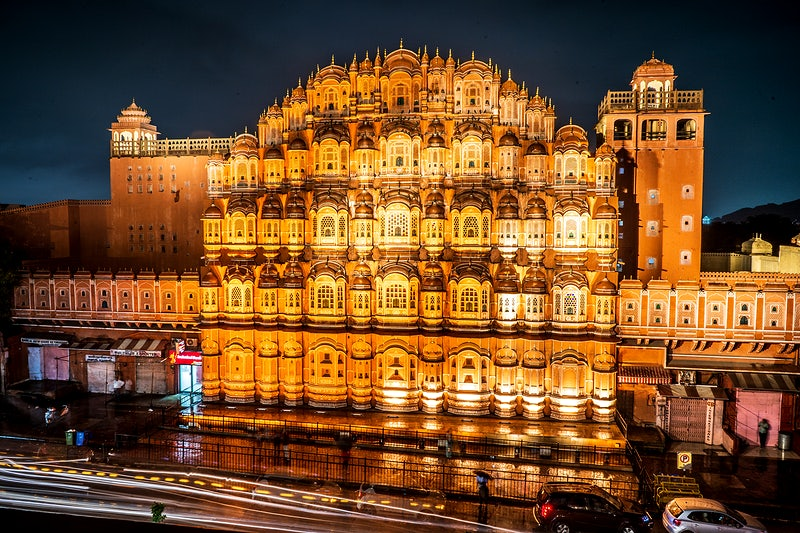
<p>Rajasthan is often introduced to travellers through its magnificent forts, grand palaces, golden deserts and
colourful markets. But there is another side of the state that becomes visible only when its people celebrate. From
the decorated streets of Jaipur during Gangaur and Teej to the camel-filled landscape of Pushkar, the folk
performances of Jodhpur and the spectacular celebrations against the dunes of Jaisalmer, the festivals in Rajasthan
reveal the state's culture in its most vibrant form.p>
<p>Festivals here are not simply events on a calendar. They are closely connected with religion, seasons, local
traditions, music, dance, food, craftsmanship and community life. A traditional procession can pass through a
centuries-old bazaar, folk musicians can fill a palace courtyard with music, and a local fair can bring together
artisans, farmers, pilgrims, performers and travellers from different parts of the world.p>
<p>This diversity makes Rajasthan one of India's most fascinating destinations for cultural travel. Some celebrations
are deeply religious, some commemorate historical traditions, while others showcase the state's folk heritage
through music, dance, handicrafts, camel events and traditional competitions.p>
<p>If you are planning a Rajasthan holiday, choosing your travel dates around one of these celebrations can turn a
sightseeing trip into a much richer cultural experience.p>
Why Festivals in Rajasthan Are Worth Experiencing
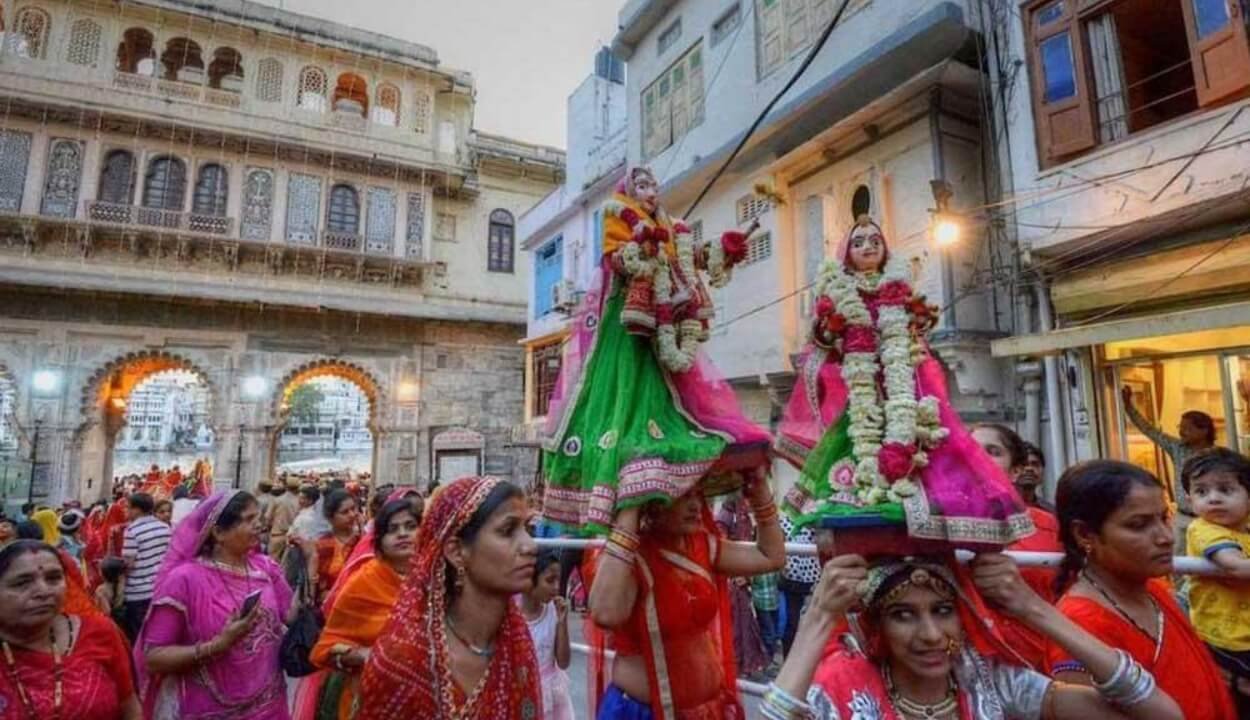
The cultural identity of Rajasthan has been shaped by royal traditions, desert communities, religious beliefs, folk traditions and generations of skilled artisans. Its festivals bring many of these elements together in a way that visitors can experience firsthand.
During a major celebration, the atmosphere of a city can change completely. Historic streets become more colourful, traditional clothes appear everywhere, local markets become busier and public spaces fill with music and performances.
Jaipur's Gangaur procession, for example, combines religious traditions with decorated palanquins, chariots, bullock carts and folk performers. Teej brings a monsoon atmosphere to the Pink City, while Udaipur's Mewar Festival combines the celebration of spring with Mewar's cultural heritage. Rajasthan Tourism's official festival calendar continues to feature these celebrations alongside fairs and cultural events held across the state.
The experience is especially rewarding because Rajasthan's festivals are not limited to one style of celebration. You can experience devotional traditions in one city, a desert cultural festival in another and a traditional livestock fair somewhere else.
Famous Festivals in Rajasthan
Rajasthan celebrates festivals throughout the year, and each region has its own customs and character. Among the most famous are Gangaur, Teej, Mewar Festival, Pushkar Fair, Jaisalmer Desert Festival, Marwar Festival and Bikaner Camel Festival.
Other important celebrations include Kajli Teej in Bundi, the Mount Abu Summer Festival, Kumbhalgarh Festival, Bundi Festival, Rajasthan Festival, Kite Festival, Nagaur Fair, Chandrabhaga Fair, Kolayat Fair and the Ranakpur-Jawai Bandh Festival.
Some of these are religious celebrations, while others are organised specifically to showcase the state's traditional arts, music, food, handicrafts and heritage. The official Rajasthan Tourism calendar lists festivals and fairs across destinations ranging from Jaipur, Udaipur and Jodhpur to Bundi, Pushkar, Bikaner, Jaisalmer, Mount Abu and Pali.
Gangaur Festival
Gangaur is one of the most important traditional festivals in Rajasthan and is celebrated in various forms across the state.
The festival is associated with Goddess Gauri, a form of Goddess Parvati, and Lord Shiva. It celebrates marital happiness, devotion and the relationship between husband and wife. Traditionally, unmarried women pray for a suitable husband, while married women pray for the wellbeing and longevity of their husbands.
Gangaur takes place during Chaitra, generally in March and April, when winter gives way to spring. The celebrations continue over several days, with women worshipping clay images of Gan and Gauri, decorating their hands with mehndi and participating in traditional songs and rituals.
Jaipur is one of the most impressive places to witness Gangaur. The traditional procession moves through the historic city, accompanied by decorated palanquins, chariots, bullock carts and folk performers. The route passes through important parts of the old Pink City, making the celebration particularly attractive for photographers and visitors interested in Rajasthan's living heritage.
Rajasthan Tourism describes Gangaur as one of the state's most important festivals, with the celebrations culminating in a colourful procession through Jaipur's historic areas.
Why Visit Jaipur During Gangaur
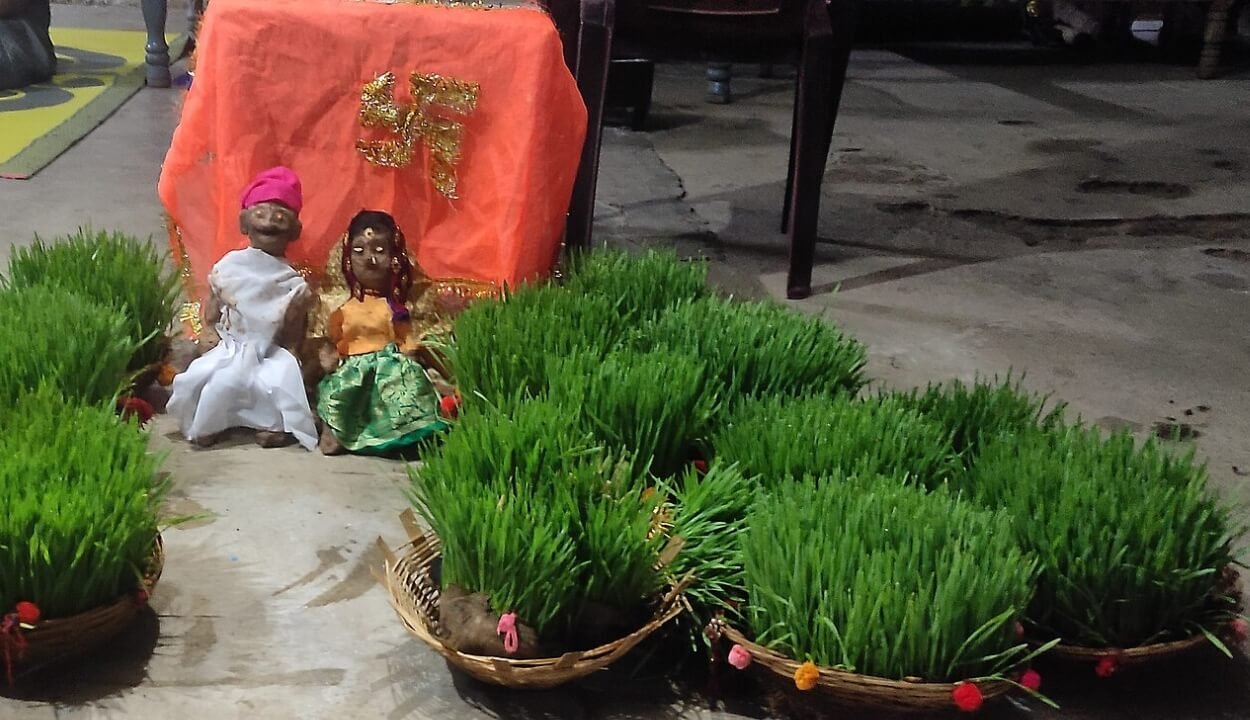
Gangaur provides an opportunity to see Jaipur beyond its forts and monuments. The traditional clothing, jewellery, mehndi, folk music and procession create a vivid picture of Rajasthan's cultural traditions.
It is also a wonderful time to explore the old city because the festival atmosphere extends into markets and neighbourhoods.
Teej Festival
When the monsoon arrives, Rajasthan's landscapes and cities take on a different mood. Teej is one of the celebrations that captures this seasonal transformation.
Teej is particularly associated with women and is dedicated in many traditions to Goddess Parvati. The festival celebrates the arrival of the monsoon and is marked by traditional rituals, singing, dancing, mehndi, colourful clothing, festive food and swings.
Jaipur hosts one of Rajasthan's most famous Teej celebrations. A traditional procession featuring the image of Teej Mata makes its way through the old city, accompanied by folk artists, decorated camels, elephants, palanquins, chariots and bullock carts.
The festival is also closely associated with ghevar, a traditional Rajasthani sweet that becomes especially popular during the celebration.
The 2026 Rajasthan Tourism calendar lists Jaipur's Teej Festival for 15-16 August, with the traditional procession beginning from the City Palace and moving through areas including Tripolia Bazaar and Chhoti Chaupar.
For travellers who enjoy photography, traditional clothing, local food and cultural experiences, Teej is one of the most colourful times to visit Jaipur.
Mewar Festival in Udaipur
Udaipur's Mewar Festival welcomes the arrival of spring and celebrates the cultural heritage of the Mewar region.
The festival is closely connected with Gangaur and is particularly significant in Udaipur because of the city's historic association with the Mewar rulers.
During the celebrations, women traditionally dress in their finest clothes and participate in processions carrying images of Isar and Gangaur. Music, dance, cultural performances and fireworks add to the festive atmosphere.
The setting makes the experience especially memorable. Udaipur's lakes, palaces and historic streets provide a beautiful backdrop to the celebrations, while Lake Pichola becomes part of the traditional festivities.
The official Rajasthan Tourism calendar continues to list the Mewar Festival as one of Udaipur's major cultural celebrations.
If you are already planning a Udaipur sightseeing holiday, timing your visit with the Mewar Festival can add an entirely different cultural dimension to the trip.
Pushkar Fair
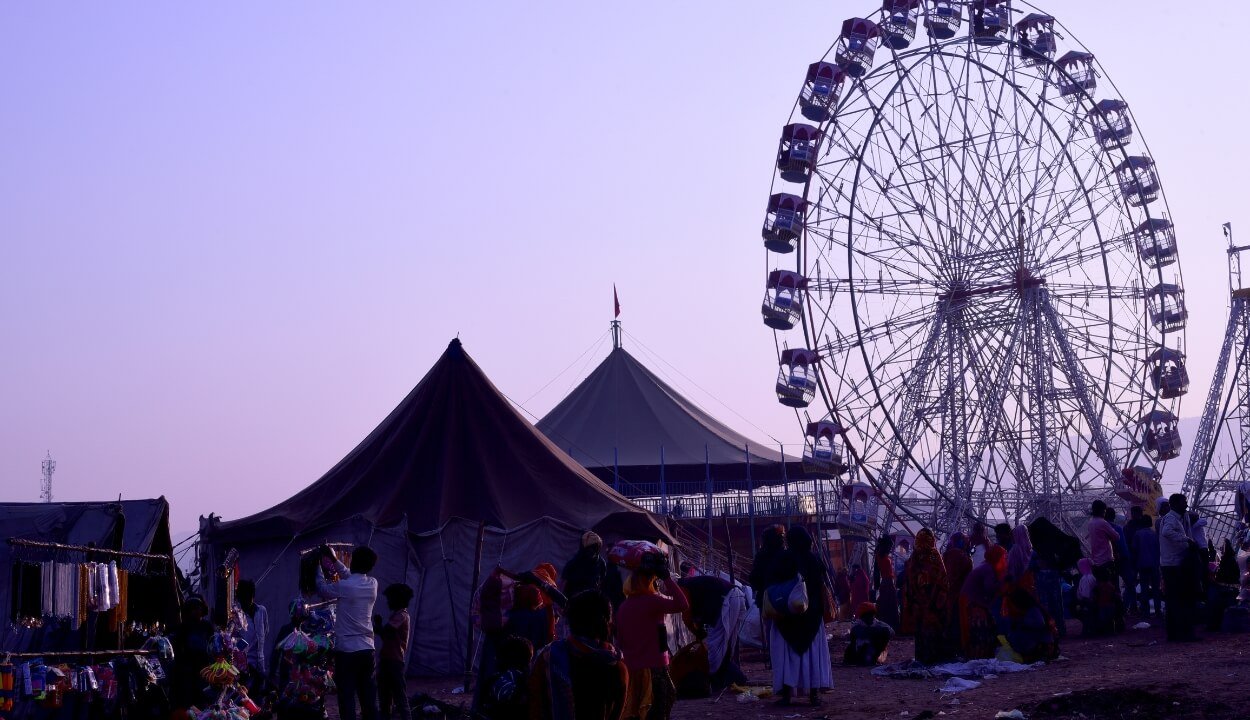
The Pushkar Fair, popularly known as the Pushkar Camel Fair or Pushkar Mela, is among the most famous fairs associated with Rajasthan.
Held annually in Pushkar during October and November, the fair traditionally revolves around camel and livestock trading. Over the years, it has also become a major cultural attraction for visitors from India and overseas.
Thousands of camels and other livestock gather around the fairgrounds, creating an extraordinary sight against the landscape surrounding Pushkar. Traders arrive in traditional clothing, while visitors can watch animal competitions, folk performances and cultural activities.
The fair has also become known for events like the longest mustache competition, matka phod and bridal competitions.
According to the current Rajasthan Tourism calendar, the 2026 Pushkar Fair is scheduled for 17-24 November.
The Pushkar Fair is particularly appealing to photographers because of the combination of colourful turbans, embroidered clothing, decorated camels, desert scenery and traditional activities.
Beyond the fair itself, visitors can explore Pushkar Lake, Brahma Temple, the old bazaar and the town's distinctive spiritual atmosphere.
Jaisalmer Desert Festival
Few festivals in Rajasthan have a more dramatic setting than the Jaisalmer Desert Festival.
Held in the heart of the Thar Desert, the festival showcases the traditional music, dance, costumes and cultural heritage of western Rajasthan.
The desert becomes a stage for folk performers, musicians and camel events. Camel races, camel polo, camel-mounted bands, traditional processions, puppet performances and folk dances are among the attractions associated with the celebration.
The festival is particularly popular with travellers who want to experience Rajasthan's desert culture beyond a conventional sightseeing itinerary.
The golden sandstone architecture of Jaisalmer and the surrounding desert landscape make the festival especially photogenic. Traditional performers dressed in vibrant colours stand out dramatically against the golden dunes.
Rajasthan Tourism lists the Desert Festival as a major annual event in Jaisalmer, generally held around January and February. (Rajasthan Tourism)
A trip combining the Desert Festival with Jaisalmer Fort, Patwon Ki Haveli and a Thar Desert excursion can make for an unforgettable Rajasthan experience.
Marwar Festival in Jodhpur
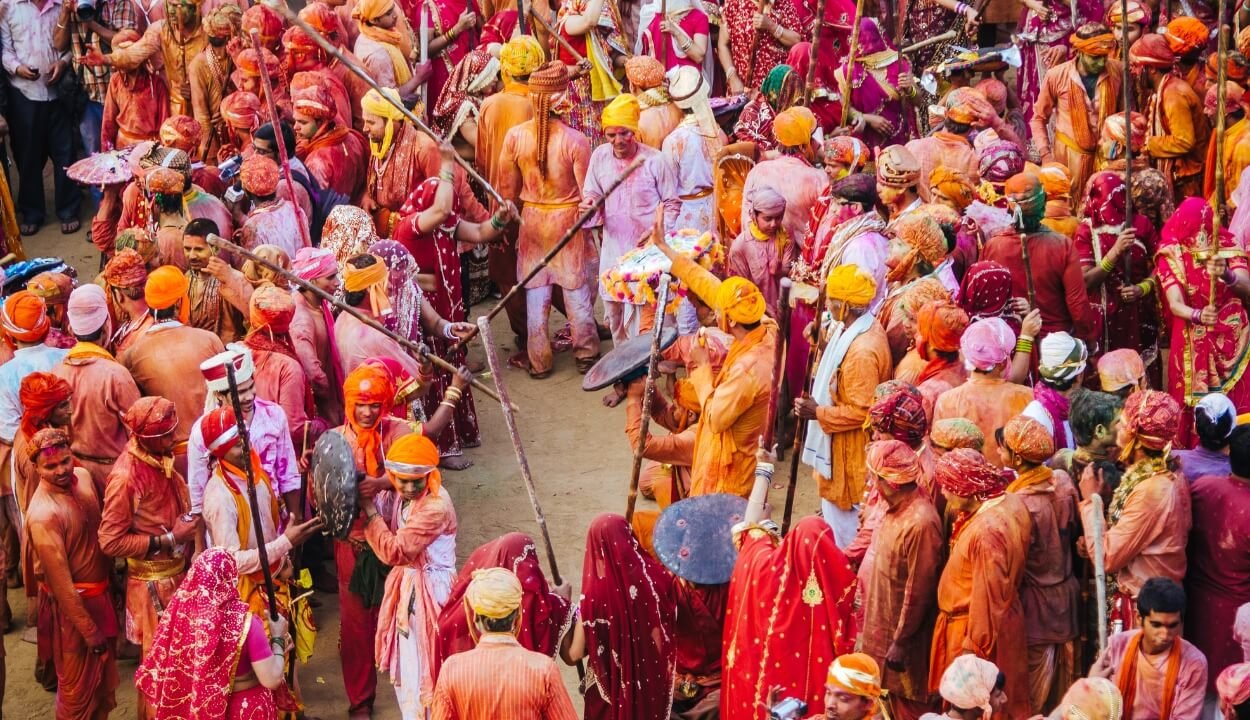
Jodhpur's Marwar Festival celebrates the cultural heritage and heroic traditions of the Marwar region.
The festival was originally known as the Maand Festival and is particularly associated with folk music and dance inspired by the history, romance and heroic stories of Rajasthan's rulers.
Traditional singers and dancers bring these stories to life through music and performances, giving visitors an opportunity to experience the cultural traditions of western Rajasthan.
The festival also includes entertaining competitions and activities such as moustache competitions, turban tying, traditional dress competitions, tug of war, matka races and camel events.
The 2026 Rajasthan Tourism calendar lists the Marwar Festival for 24-25 October, with venues including Jodhpur's Clock Tower area and the sand dunes of Osian
For travellers staying in Jodhpur, the festival provides an excellent opportunity to combine heritage sightseeing with live folk culture.
Bikaner Camel Festival
Bikaner's relationship with the camel is deeply connected to the history and lifestyle of the desert region.
The Bikaner Camel Festival celebrates this connection with camel races, camel milking, breed competitions, camel acrobatics and camel beauty events. Folk dancers, musicians and performers add colour to the celebration, while local food and handicraft stalls give visitors plenty to explore.
The festival is particularly appealing to families and photographers because of the lively performances and decorated camels.
Rajasthan Tourism describes the Bikaner Camel Festival as an annual celebration dedicated to the "ship of the desert" and highlights camel competitions, folk performances, food, shopping and fireworks among its attractions
The festival can also be combined with visits to Junagarh Fort, Lalgarh Palace and old Bikaner markets.
Kajli Teej in Bundi
Bundi's Kajli Teej is a distinctive celebration associated with the historic town of Bundi.
Held around July and August, the festival is dedicated to Goddess Uma and has a strong connection with marital happiness and devotion. Women dress in colourful traditional clothing, wear new bangles and decorate their hands with mehndi.
A local fair forms an important part of the celebration. Visitors can browse traditional handicrafts, paintings, bangles and regional food while experiencing the festive atmosphere of Bundi.
The Rajasthan Tourism calendar lists Kajli Teej as a week-long celebration unique to Bundi, with the 2026 event scheduled for 31 August to 1 September.
Bundi itself is a fascinating heritage destination, known for its palace, stepwells and historic architecture. Visiting during Kajli Teej offers an opportunity to experience both its built heritage and living traditions.
Mount Abu Summer Festival
Mount Abu provides a refreshing contrast to the desert landscapes associated with much of Rajasthan.
The state's only hill station hosts the Summer Festival, a two-day celebration of folk culture, music and entertainment.
Traditional performances such as Gair, Ghoomar and Daph are among the cultural highlights. The festival also features activities and competitions connected with Mount Abu's scenic setting, including events around Nakki Lake.
The surrounding Aravalli landscape gives the festival a distinctive atmosphere. Instead of desert dunes and sandstone forts, visitors experience music and dance against green hills and a beautiful mountain setting.
The festival is generally held in May and can be an appealing option for travellers who want to experience Rajasthan during the warmer part of the year.
Rajasthan Festival
The Rajasthan Festival celebrates the foundation of the state and its rich cultural identity.
The event is associated particularly with Jaipur and includes cultural programmes, music, traditional performances and events that showcase the heritage of Rajasthan.
Rather than focusing on one particular regional tradition, Rajasthan Festival attempts to bring together different aspects of the state's identity. Music, dance, heritage, traditional arts and public celebrations create a broad cultural showcase.
It is a good choice for visitors who want an introduction to Rajasthan's diverse traditions within a single celebration.
Holi in Rajasthan
Holi is celebrated throughout Rajasthan, but different destinations give the festival their own character.
The festival of colours marks the arrival of spring and is associated with joy, social gatherings, music, traditional food and vibrant celebrations.
Bharatpur and Deeg are particularly known for Brij Holi, which has strong cultural connections with the traditions associated with the Braj region and the stories of Lord Krishna.
Pushkar has also become a popular destination for travellers wanting to experience Holi in a lively atmosphere.
If you plan to participate, it is important to respect local customs and individual boundaries. Not everyone wants to be covered in colour, and religious or traditional spaces should be approached respectfully.
Diwali in Rajasthan
Diwali brings Rajasthan's cities to life with lamps, decorations, sweets, markets and illuminated buildings.
Jaipur is particularly impressive during the festival, when markets and streets are decorated with lights and traditional lamps. The Pink City's architecture takes on a beautiful appearance after sunset.
Diwali is associated with the victory of light over darkness and is celebrated with prayers, family gatherings, sweets and decorations.
For travellers, it can be a wonderful time to experience Rajasthan's festive atmosphere, but it is also one of the busiest travel periods. Hotels, trains and flights can become heavily booked, so advance planning is advisable.
Kite Festival in Jaipur
The Kite Festival adds a completely different kind of energy to Rajasthan's winter calendar.
Celebrated around Makar Sankranti, the festival fills the skies with colourful kites. Jaipur is one of the most prominent places to experience the celebration, with kite-flying activities and cultural programmes.
The spectacle becomes particularly beautiful as the day progresses and the sky fills with kites of different shapes and colours.
The official Rajasthan Tourism calendar traditionally places the Kite Festival around 14 January, making it an attractive addition to a winter Rajasthan itinerary.
Kumbhalgarh Festival
Kumbhalgarh Festival brings music, dance and traditional arts to the dramatic setting of Kumbhalgarh Fort.
The festival celebrates Rajasthan's cultural heritage through performances by artists and musicians. The historic fort and surrounding Aravalli landscape create a spectacular backdrop, particularly during evening programmes.
For travellers interested in combining heritage with cultural performances, Kumbhalgarh offers a memorable alternative to the larger festivals of Jaipur and Jodhpur.
The festival is generally held in December and can be combined with a trip to Udaipur, which lies within practical reach of Kumbhalgarh.
Bundi Festival
The Bundi Festival celebrates the traditional arts, culture and craftsmanship of Bundi.
The festival generally takes place during Kartik and features processions, arts and crafts fairs, cultural performances, traditional sports and competitions.
The historic town provides an atmospheric setting for the celebrations. Visitors can explore Bundi Palace, old stepwells and narrow heritage lanes while also experiencing local music, dance and traditional crafts.
Rajasthan Tourism describes the Bundi Festival as a celebration bringing together traditional art, culture and craftsmanship.
Nagaur Fair
Nagaur Fair is one of Rajasthan's important traditional livestock fairs and provides a fascinating look at rural life.
The fair brings together farmers, livestock traders and rural communities, with cattle, camels and other animals forming an important part of the event.
Unlike the more tourism-oriented atmosphere of some major festivals, Nagaur offers visitors a chance to observe traditional trading practices and rural culture.
For travellers who want to explore Rajasthan beyond Jaipur, Udaipur and Jodhpur, Nagaur can provide a different perspective on the state.
Chandrabhaga Fair
The Chandrabhaga Fair takes place at Jhalrapatan in Jhalawar district during the month of Kartik, generally around October or November.
The fair has a strong religious significance, with pilgrims gathering near the Chandrabhaga River and participating in traditional rituals.
The combination of pilgrimage, local traditions and a large gathering makes the fair an interesting cultural experience for visitors exploring southeastern Rajasthan.
Rajasthan Tourism currently lists the Chandrabhaga Fair among the state's major annual fairs
Kolayat Fair
The Kolayat Fair, also known as the Kapil Muni Fair, is held near Bikaner during Kartik Purnima.
The event has strong religious importance, with devotees visiting Kolayat Lake for a sacred dip. Alongside the religious rituals, the fair creates a lively gathering of local communities and visitors.
It offers an opportunity to experience a traditional religious fair that is different from Rajasthan's more internationally recognised tourism festivals.
Ranakpur-Jawai Bandh Festival
The Ranakpur-Jawai Bandh Festival offers a blend of culture, heritage and nature.
Held in the Pali region, the festival allows visitors to explore the cultural heritage around Ranakpur while participating in activities connected with the Aravalli landscape.
Ranakpur Jain Temple, nature walks, cultural performances and outdoor activities are among the experiences associated with the festival.
For travellers interested in combining cultural tourism with nature and heritage, this can be an appealing addition to a Rajasthan itinerary.
Baneshwar Fair
The Baneshwar Fair is an important tribal festival held in the Dungarpur region of southern Rajasthan.
The celebration attracts members of the Bhil community from Rajasthan and neighbouring Gujarat and Madhya Pradesh. Religious rituals, traditional music, dance and gatherings around the river confluence form an important part of the event.
The fair offers visitors a chance to experience the tribal traditions of southern Rajasthan, a region that can feel very different from the desert landscapes of western Rajasthan.
Momasar Utsav
Momasar Utsav is a smaller and more intimate celebration of Rajasthan's living folk traditions.
Held in Momasar near Bikaner, the event unites artists and artisans on village streets and lanes. Traditional music, crafts and direct interaction between visitors and performers are central to the experience.
It is particularly interesting for travellers who prefer less commercialised cultural experiences and want to discover Rajasthan beyond its most famous tourist attractions.
Rajasthan Tourism includes Momasar Utsav among the state's cultural events and describes its focus on traditional art and direct interaction between artists, artisans and visitors.
A Rajasthan Festival Calendar for Travellers
Rajasthan's festival calendar changes throughout the year, which means travellers can often find a cultural celebration regardless of when they plan to visit.
January to February
Winter is an excellent season for cultural travel in Rajasthan. The Bikaner Camel Festival, Nagaur Fair, Kite Festival and Jaisalmer Desert Festival are among the events associated with this period.
The weather is also comfortable for sightseeing, making it possible to combine festival experiences with visits to forts, palaces, markets and desert destinations.
March to April
Spring brings some of Rajasthan's most important traditional celebrations.
Gangaur and Mewar Festival are particularly significant during this period, while Holi adds another burst of colour to destinations across the state.
This can be one of the most rewarding periods for travellers interested in traditional culture and photography.
May to June
The summer months are generally hotter, but Mount Abu provides an attractive alternative with its Summer Festival.
Travellers visiting Rajasthan during this period should plan outdoor activities around the cooler parts of the day.
July to September
Monsoon arrival brings Teej and Kajli Teej.
Jaipur is especially attractive during Teej, while Bundi becomes the centre of Kajli Teej celebrations.
The monsoon can also give parts of Rajasthan a surprisingly fresh appearance, particularly around the Aravalli region.
October to November
This is one of the busiest festival periods in Rajasthan.
Marwar Festival, Pushkar Fair, Diwali, Chandrabhaga Fair, Kolayat Fair and Bundi Festival are among the celebrations and fairs associated with this period.
The weather also becomes increasingly comfortable for sightseeing, making it a popular season for Rajasthan tours.
December
December brings cultural events such as Kumbhalgarh Festival, Ranakpur-Jawai Bandh Festival and Mount Abu Winter Festival.
The cooler weather makes this an excellent period for exploring Rajasthan's heritage destinations and attending outdoor cultural programmes.
Which Festival in Rajasthan Is Best for You?
There is no best festival for every traveller. The right choice depends on the experience you want.
If you love traditional rituals and women's cultural celebrations, Gangaur and Teej are excellent choices.
If you want royal heritage and cultural performances, consider the Mewar Festival or Marwar Festival.
If you are interested in camels and desert culture, the Pushkar Fair, Bikaner Camel Festival and Jaisalmer Desert Festival are obvious choices.
For folk music and dance, Marwar Festival, Mewar Festival and the Mount Abu Summer Festival are particularly rewarding.
If you enjoy photography, Pushkar Fair and the Jaisalmer Desert Festival offer extraordinary subjects, from traditional costumes and decorated camels to musicians and desert landscapes.
For a less conventional cultural experience, consider Bundi Festival, Nagaur Fair, Baneshwar Fair or Momasar Utsav.
Best Time to Visit Rajasthan for Festivals
The best time depends on the festival you want to experience. October to March is generally the most comfortable season for combining festivals with extensive sightseeing.
The cooler weather makes long walks through historic cities, desert excursions and outdoor festival programmes much more pleasant.
March and April are ideal for Gangaur and Mewar Festival, while July and August bring Teej celebrations.
The Pushkar Fair generally takes place in October or November, while the Desert Festival is held during the cooler months around January or February.
Festival dates can change from year to year because many traditional Hindu festivals follow lunar calendars. Travellers should therefore confirm the dates for their intended year before booking flights, hotels or tour packages. Rajasthan Tourism's official festival calendar is the most useful reference for current event schedules.
Tips for Experiencing Festivals in Rajasthan
Planning a festival trip requires a little more preparation than a regular Rajasthan holiday.
Popular festivals can attract large numbers of visitors, so accommodation should ideally be booked well in advance. This is especially important for destinations like Pushkar and Jaisalmer during their major festivals.
Allow extra time for travelling around historic city centres. Processions and public celebrations can affect traffic and temporarily change access to some streets.
Wear comfortable clothing and footwear because many festival experiences involve walking or standing for extended periods.
If you are visiting a religious celebration, dress respectfully and observe local customs. Ask before photographing people during personal or religious rituals.
Keep some cash with you for small purchases at local fairs and stalls, although digital payments are widely used in urban Rajasthan.
Festival crowds can also be busy and unpredictable, so keep valuables secure and agree on meeting points if travelling with family or a group.
Most importantly, do not treat a festival purely as a photo opportunity. Watch, listen and interact respectfully. The experience becomes much more meaningful when you take the time to understand the traditions behind what you are seeing.
What to Eat During Rajasthan Festivals
Food is an important part of the festival experience.
Traditional sweets and snacks often become closely associated with particular celebrations. During Teej, ghevar is especially popular, while fairs across Rajasthan offer opportunities to taste local snacks, sweets and regional dishes.
Depending on the destination, travellers may come across dal baati churma, kachori, mirchi vada, ghevar, malpua and a variety of Rajasthani sweets.
Local fairs are also a good place to discover regional variations that may not appear on a typical hotel menu.
Trying local food during a festival can therefore become part of the cultural experience itself.
Festivals, Music and Folk Dance in Rajasthan
Music and dance are among the strongest expressions of Rajasthan's cultural identity.
Folk musicians have traditionally used songs to preserve stories of heroes, romance, devotion and everyday life. Instruments such as the kamayacha, ravanhatha, dholak and algoza contribute distinctive sounds to regional performances.
Dance traditions such as Ghoomar and Gair are frequently seen during cultural celebrations.
At festivals such as the Marwar Festival, the music itself becomes a way of remembering the history and stories of the region. Rajasthan Tourism describes the festival's folk music as being centred on the romantic and heroic traditions of the Marwar rulers.
For visitors, these performances offer something that cannot be replicated through a museum visit or a textbook. The traditions are being performed by people who continue to carry them forward.
Festivals That Showcase Rajasthan's Desert Culture
The desert regions of Rajasthan have developed distinctive traditions shaped by their environment and history.
The Pushkar Fair, Bikaner Camel Festival and Jaisalmer Desert Festival all demonstrate the importance of camels and pastoral life in Rajasthan.
The Jaisalmer Desert Festival takes this cultural heritage into the dramatic setting of the Thar Desert, while the Bikaner Camel Festival focuses more directly on the camel and its traditional role.
Pushkar offers perhaps the broadest experience, combining livestock traditions with spirituality, crafts, music and tourism.
Together, these events demonstrate how the desert is not simply a landscape. It has shaped the culture, livelihoods, music and traditions of the communities who live there.
Festivals and Rajasthan's Handicrafts
Traditional handicrafts are another important part of Rajasthan's festival culture.
Local fairs often provide opportunities to see textiles, jewellery, pottery, paintings, leather products, wooden crafts and other handmade goods.
Bundi's Kajli Teej, for example, includes a local fair where visitors can find traditional crafts and paintings. Other major fairs also create spaces where artisans can display their work directly to visitors.
For travellers, buying a locally made handicraft can be a meaningful way to remember a festival experience while supporting traditional craftsmanship.
How to Plan a Rajasthan Tour Around a Festival
The easiest way to build a festival-focused Rajasthan holiday is to select the event first and then build the rest of the itinerary around it.
For example, a Jaipur itinerary around Gangaur can include the city's forts, palaces, bazaars and traditional food alongside the festival procession.
A Udaipur trip during Mewar Festival can combine City Palace, Lake Pichola and the old city with the celebrations.
A Pushkar itinerary can pair the fair with Pushkar Lake, Brahma Temple and the surrounding markets.
A Jaisalmer festival trip can include Jaisalmer Fort, Patwon Ki Haveli, Gadisar Lake and a desert camp.
Jodhpur's Marwar Festival can be combined with Mehrangarh Fort, Jaswant Thada, the Blue City and the Clock Tower market.
This approach allows you to experience both the famous attractions and the cultural life of the destination without making the festival feel like an isolated event.
Frequently Asked Questions About Festivals in Rajasthan
What are the most famous festivals in Rajasthan?
Some of the most famous festivals in Rajasthan are Gangaur, Teej, Mewar Festival, Pushkar Fair, Jaisalmer Desert Festival, Marwar Festival, Bikaner Camel Festival, Kajli Teej, Mount Abu Summer Festival, Holi and Diwali.
Which is the most famous festival in Rajasthan?
Gangaur is one of Rajasthan's most important traditional festivals, while the Pushkar Fair and Jaisalmer Desert Festival are among the state's best-known events among travellers. The answer ultimately depends on whether you are interested in religious traditions, folk culture, desert experiences or large cultural gatherings.
Which festival is famous in Jaipur?
Jaipur is particularly famous for Gangaur and Teej. The city also celebrates Diwali with spectacular illumination and hosts cultural events such as the Kite Festival and Rajasthan Festival.
Which festival is famous in Udaipur?
The Mewar Festival is one of Udaipur's most important cultural celebrations. It is closely connected with Gangaur and features traditional processions, music, dance and cultural activities.
Which festival is famous in Jaisalmer?
The Jaisalmer Desert Festival is the city's signature cultural celebration. It showcases desert traditions through folk music, dance, camel events, traditional competitions and cultural performances.
Which festival is famous in Jodhpur?
The Marwar Festival is Jodhpur's best-known cultural festival. It celebrates the heritage of the Marwar region through folk music, dance and traditional competitions.
What is the Pushkar Fair famous for?
The Pushkar Fair is famous for its camel and livestock traditions, colourful cultural activities and large gathering of traders, performers and visitors. It is also known for events such as moustache competitions, matka phod and bridal competitions.
What is the best month to visit Rajasthan for festivals?
There is no single best month because festivals take place throughout the year. October to March is particularly popular because of the comfortable weather and the number of major cultural events held during this period.
Are Rajasthan festivals suitable for families?
Many Rajasthan festivals are suitable for families, particularly cultural events featuring music, dance, crafts and traditional performances. Families should consider crowd levels and travel conditions when choosing larger events such as Pushkar Fair.
Can international tourists attend festivals in Rajasthan?
Yes. Several major festivals attract international visitors every year. Travellers should nevertheless respect local customs, religious practices and photography etiquette while participating in celebrations.
Do festival dates remain the same every year?
Not always. Many traditional festivals follow Hindu lunar calendars, so their dates change annually. Some cultural festivals are held during broadly consistent months but can also have changing dates. It is best to verify the official schedule for the year of travel before making reservations.
Experience Rajasthan Through Its Festivals
The forts and palaces of Rajasthan tell the story of its royal past, but its festivals show that the state's heritage is still alive.
A procession through Jaipur's old streets, women dressed in colourful traditional clothing for Gangaur, musicians performing the folk traditions of Marwar, decorated camels gathering around Pushkar or dancers performing against the golden landscape of Jaisalmer - these experiences reveal Rajasthan in a way that ordinary sightseeing cannot.
Every region adds something different. Jaipur brings grand processions and historic city celebrations. Udaipur adds the elegance of Mewar. Jodhpur keeps alive the musical traditions of Marwar. Pushkar combines spirituality with the spectacle of its famous fair. Bikaner and Jaisalmer showcase the culture of the desert, while Bundi, Mount Abu, Dungarpur, Pali and other destinations offer their own distinctive traditions.
That is what makes travelling during the festivals in Rajasthan so rewarding. You are not simply visiting a place when it looks beautiful; you are arriving when its people, traditions and stories come together.
If you are planning a Rajasthan holiday, check the festival calendar before deciding your travel dates. You may discover that the journey you were planning can become something much more memorable simply by arriving at the right time.
Explore Rajasthan With Comfort & Luxury
Book customized Rajasthan tours with taxi, hotel stay, sightseeing and local travel support.
Enquiry Now Call Us NowBlog Categories
Explore blogs by category
.jpg)
Top Tourist Attractions in Rajasthan 25 Must Visit Places for an Unforgettable Trip
The Famous Food of Rajasthan A Delicious Journey Through the Flavours of the Royal State
Explore the Best Bazaars for Shopping Handicrafts and Local Treasures
.jpg)
Uttarakhand Tourism Guide 2026: Explore Char Dham, Hill Stations, Wildlife & Himalayan Adventures
Kashmir Tourism Guide 2026: Explore Srinagar, Gulmarg, Pahalgam, Sonamarg & Paradise on Earth
Need Instant Help?
Chat directly with our travel expert and get quick pricing & tour details.
WhatsApp Now