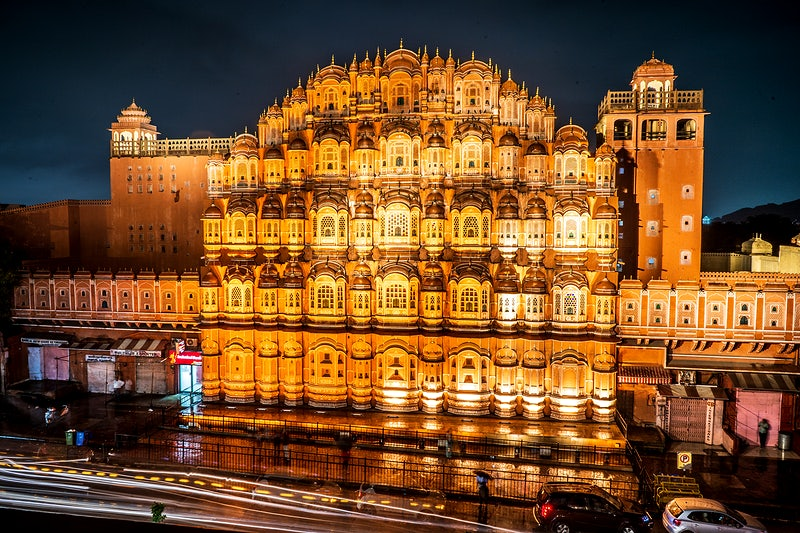
<p>Rajasthan is a destination where shopping becomes part of the travel experience. Beyond its magnificent forts, grand
palaces and colourful festivals, the state has a remarkable shopping culture that comes alive in its bustling
bazaars. Walk through the old streets of Jaipur, explore the lanes around Jodhpur's Clock Tower, browse the artistic
treasures of Udaipur or wander through the atmospheric markets of Jaisalmer, and you will discover a side of
Rajasthan that cannot be experienced inside a museum.p>
<p>The famous markets in Rajasthan are filled with handcrafted jewellery, colourful textiles, embroidered fabrics,
traditional juttis, miniature paintings, blue pottery, marble artwork, leather goods, carpets, spices and countless
souvenirs. Many of these products represent skills that have been passed down through generations, making shopping
here more meaningful than simply purchasing something to take home.p>
<p>Whether you are looking for an elegant piece of Rajasthani jewellery, a colourful Bandhani fabric, a pair of
traditional Mojaris or a handcrafted souvenir for your home, Rajasthan's markets offer an extraordinary variety of
choices.p>
<p>From the iconic Johari Bazaar in Jaipur to Sadar Market in Pushkar and Hathi Pol Bazaar in Udaipur, here is a
detailed guide to the best markets in Rajasthan and what makes each one worth visiting.p>
<h2>Why Shopping in Rajasthan Is Such a Special Experienceh2>
<p>Shopping in Rajasthan is closely connected with the state's history, art and everyday culture. Jewellery, textiles,
leatherwork, stone carving, pottery, carpets and metal crafts are not simply commercial products; they reflect
regional traditions and the craftsmanship of local artisans.p>
<p>Rajasthan Tourism describes the state as a shopper's paradise, with a diverse range of jewellery, handwoven textiles,
paintings, pottery, leather products, stone carvings and other traditional crafts. Jaipur is particularly associated
with Kundan and Meenakari jewellery, while different parts of the state are known for their own textile, leather and
handicraft traditions.p>
<p>This regional character is what makes shopping across Rajasthan so enjoyable. A traveller moving from Jaipur to
Jodhpur and then to Udaipur may find completely different fabrics, colours, decorative styles and handicrafts in
each destination.p>
<p>The markets are also wonderfully atmospheric. The colourful shopfronts, narrow lanes, traditional architecture,
friendly bargaining, aromas of spices and local food, and constant movement of shoppers create an experience that
feels distinctly Rajasthani.p>
Johari Bazaar, Jaipur
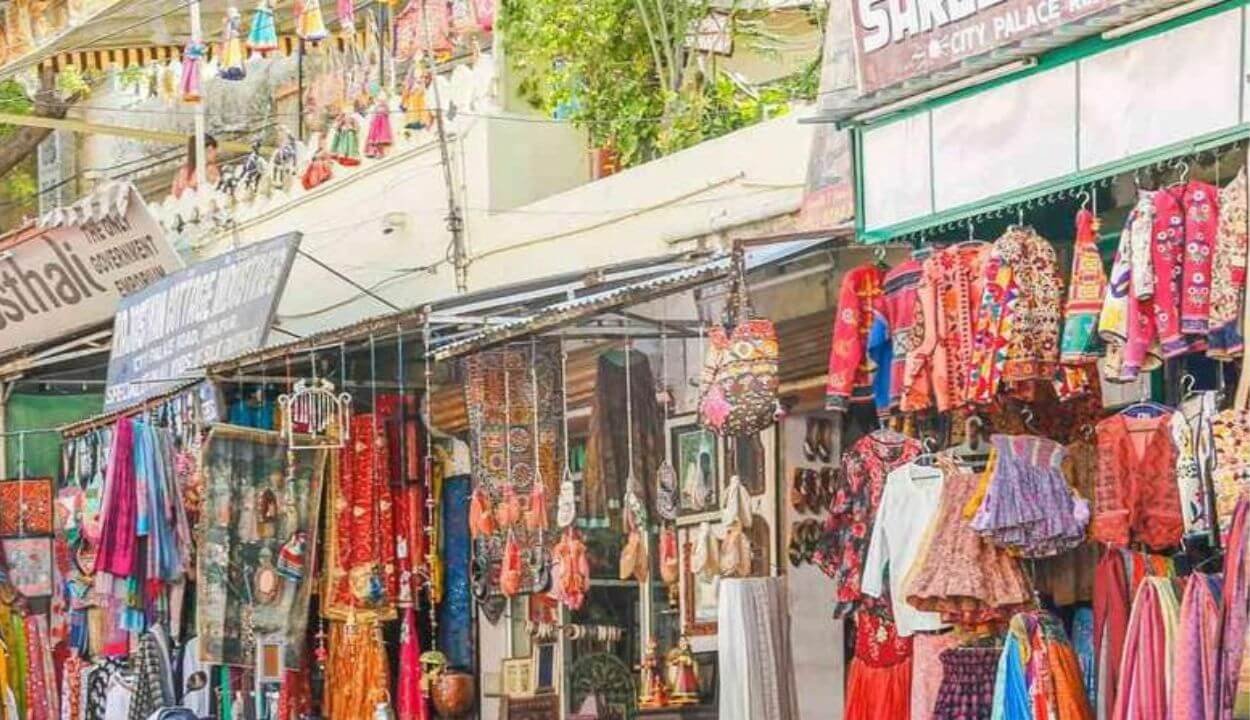
If jewellery is on your Rajasthan shopping list, Johari Bazaar should be one of your first stops.
Located in the historic Pink City, Johari Bazaar is one of the most famous shopping markets in Jaipur and is particularly associated with traditional jewellery and gemstone craftsmanship. Rajasthan Tourism highlights Jaipur's importance in jewellery making, especially Kundan and Meenakari work.
The market is an excellent place to browse traditional necklaces, earrings, bangles, rings and other ornaments. You will also come across shops selling precious and semi-precious stones, textiles and other traditional products.
Johari Bazaar has another interesting connection with Jaipur's architectural heritage. The market lies near Hawa Mahal, whose famous jharokhas once allowed royal women to observe the activity of the streets without being seen.
For visitors, this makes the area particularly enjoyable to explore on foot. You can combine sightseeing around Hawa Mahal and the old city with an evening of shopping.
If you are purchasing expensive jewellery or gemstones, however, it is wise to compare prices, ask about authenticity and obtain proper bills and certification where applicable.
Bapu Bazaar, Jaipur
Bapu Bazaar is one of the most popular markets for travellers who want colourful, affordable and distinctly Rajasthani products.
The market is known for textiles, traditional clothing, footwear, handicrafts and souvenirs. Traditional Mojaris and other Rajasthani-style footwear are among the products that attract visitors, while colourful fabrics and everyday souvenirs make the market appealing to budget-conscious shoppers.
Unlike a specialised jewellery market, Bapu Bazaar offers a broader shopping experience. You can browse several categories in the same area, making it particularly convenient if you are shopping for family and friends.
The Rajasthan Tourism website lists Bapu Bazaar among Jaipur's important shopping destinations alongside Johari Bazaar, MI Road, Nehru Bazaar and Rajasthali.
For first-time visitors, Bapu Bazaar is one of the easiest places to experience the lively character of Jaipur's traditional shopping streets.
Tripolia Bazaar, Jaipur
Tripolia Bazaar is another historic Jaipur market worth adding to your itinerary, especially if you are interested in traditional accessories, bangles, textiles and handicrafts.
The market is known for its colorful selection and connection to the Pink City's traditional shopping culture. Its location within Jaipur's historic centre also means that a visit can easily be combined with other attractions in the old city.
Tripolia Bazaar continues to be closely connected with Jaipur's cultural life. The annual Teej procession, for example, passes through Tripolia Bazaar, bringing together decorated camels and horses, folk performers, traditional processions and the festive atmosphere for which Jaipur is famous.
This makes the bazaar more than simply a place to shop. It is part of Pink City's living legacy.
Chandpole Bazaar, Jaipur
For handicrafts and traditional stonework, Chandpole Bazaar is an interesting addition to your Jaipur shopping itinerary.
The market is particularly associated with marble and stone crafts. Intricately carved statues, decorative pieces and traditional handicrafts can be found around this part of the old city.
The Jaipur Municipal Corporation also identifies Chandpole Bazaar as one of the city's principal markets and describes it as a hub for handicrafts and marble crafts.
If you are looking for a decorative Rajasthani piece for your home, this is a market where you can spend time comparing different designs and levels of craftsmanship.
Nehru Bazaar, Jaipur
Nehru Bazaar is another popular mall in the Pink City. The market is known for traditional fabrics, footwear, perfumes, souvenirs and colourful everyday products.
Its lively atmosphere makes it particularly enjoyable for travellers who like browsing rather than visiting a single specialised store. You may find yourself moving from one colourful shop to another, comparing fabrics, footwear and small gifts.
The market is also included among Jaipur's major shopping areas by both Rajasthan Tourism and the city's municipal information.
Hathi Pol Bazaar, Udaipur
Udaipur's shopping experience has a distinctly artistic character, and Hathi Pol Bazaar is one of the best places to discover it.
The market is known for traditional handicrafts, miniature paintings, textiles and other forms of Rajasthani art. It is particularly appealing to travellers searching for decorative pieces and artistic souvenirs rather than mass-produced products.
Incredible India highlights Hathi Pol Bazaar for authentic Rajasthani handicrafts, miniature paintings and Phad scrolls.
The surrounding atmosphere adds to the experience. After exploring Udaipur's palaces and lakes, walking through the colourful lanes of Hathi Pol provides a chance to see the creative traditions of the region at a much more local level.
If you love art, miniature paintings should receive special attention here. Take your time examining the details, colours and composition before choosing a piece.
Bada Bazaar, Udaipur
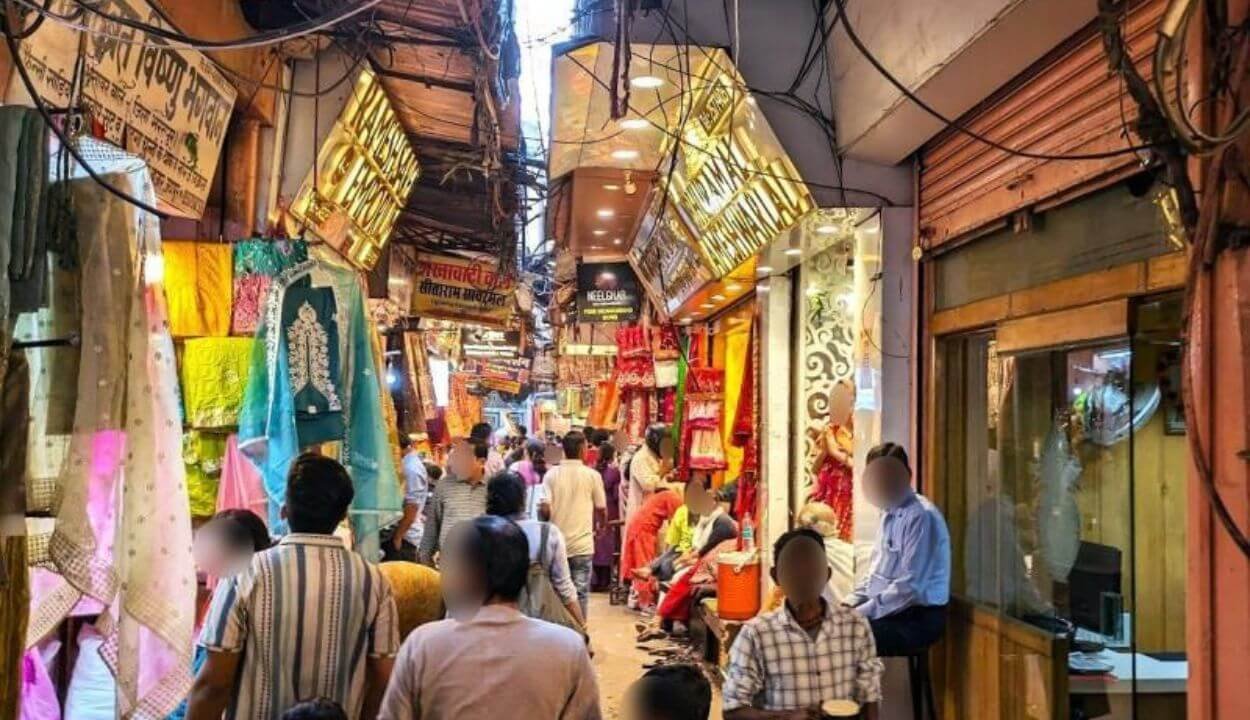
Bada Bazaar offers a more varied shopping experience in the City of Lakes. Traditional clothing, footwear, textiles and jewellery are among the products shoppers can explore.
The market is particularly useful for travellers who want to experience everyday shopping in Udaipur while also looking for traditional Rajasthani products.
For a more affordable shopping experience, Bapu Bazaar in Udaipur is another option, with textiles, pottery and brassware among the products available.
Together, these markets give Udaipur a nice balance between artistic shopping, traditional products and everyday local commerce.
Sardar Market, Jodhpur
Jodhpur's Sardar Market is one of the most recognized shopping areas in Blue City. Located around the famous Clock Tower, the market is full of shops selling spices, traditional clothing, handicrafts, jewellery and souvenirs.
Rajasthan Tourism specifically highlights Sadar Market for spices, traditional clothes and fancy jewellery. The Clock Tower itself is an important Jodhpur landmark and also serves as a starting or ending point for heritage walks through the old city.
The experience here is wonderfully sensory. Bright fabrics hang outside shops, spice aromas drift through the lanes and shoppers move between small stores packed with colourful merchandise.
If you want to bring home the flavours of Rajasthan, this is also an excellent area to look for local spices and food products.
Clock Tower Market, Jodhpur
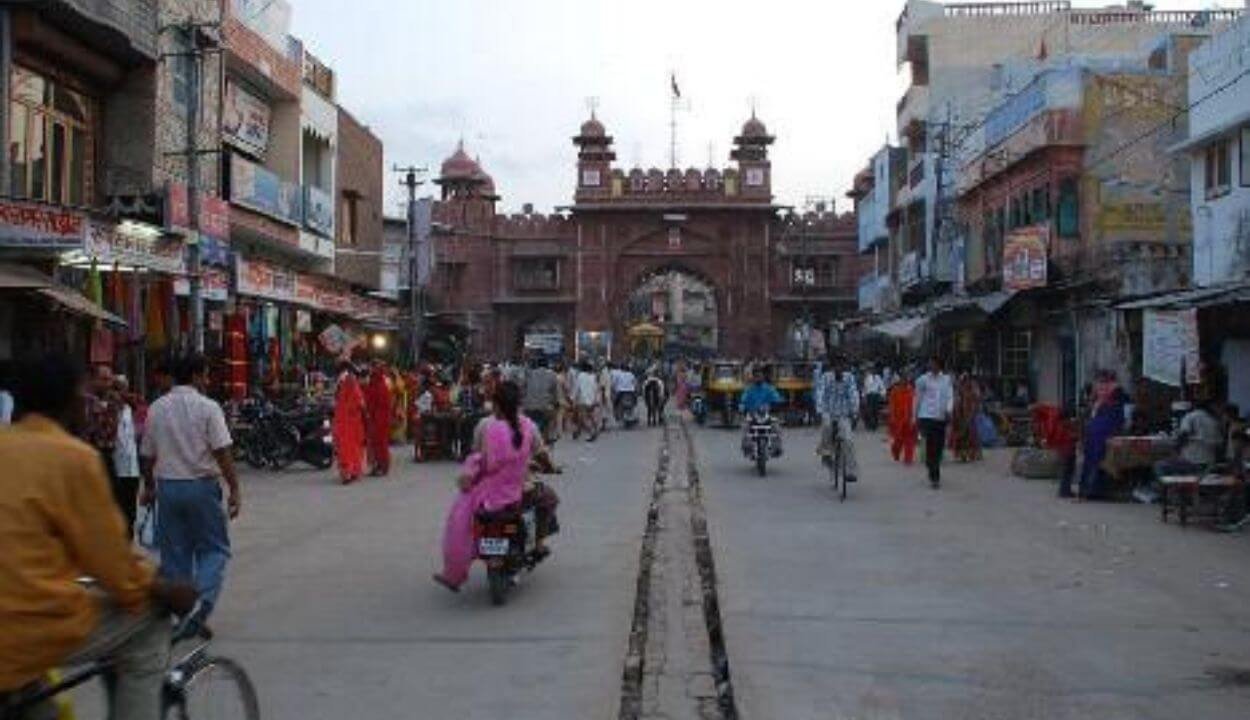
The Clock Tower Market and the surrounding Sardar Market area form one of the most atmospheric shopping zones in Jodhpur.
The market is especially enjoyable in the late afternoon and evening, when the old city begins to take on a warmer glow and the streets become increasingly lively.
Look for traditional textiles, spices, handicrafts, leather products, jewellery and souvenirs. Jodhpur is also associated with Bandhani and tie-and-dye textiles, while Rajasthan's wider craft traditions include leather footwear, wooden articles and decorative handicrafts.
A shopping walk here works particularly well when combined with a visit to Mehrangarh Fort and the historic Blue City.
Mochi Bazaar, Jodhpur
If traditional footwear interests you, Mochi Bazaar is worth exploring during your Jodhpur trip.
The market is associated with footwear and local shopping, and it offers opportunities to look for traditional Juttis and Mojaris. Rajasthan's leather craftsmanship has a strong regional identity, with Jaipur, Jodhpur, Barmer and Jaisalmer among the destinations where visitors can find traditional leather products and footwear.
A pair of handcrafted footwear can be a practical souvenir because it combines traditional design with something you can actually use after your Rajasthan holiday.
Sadar Bazaar, Pushkar
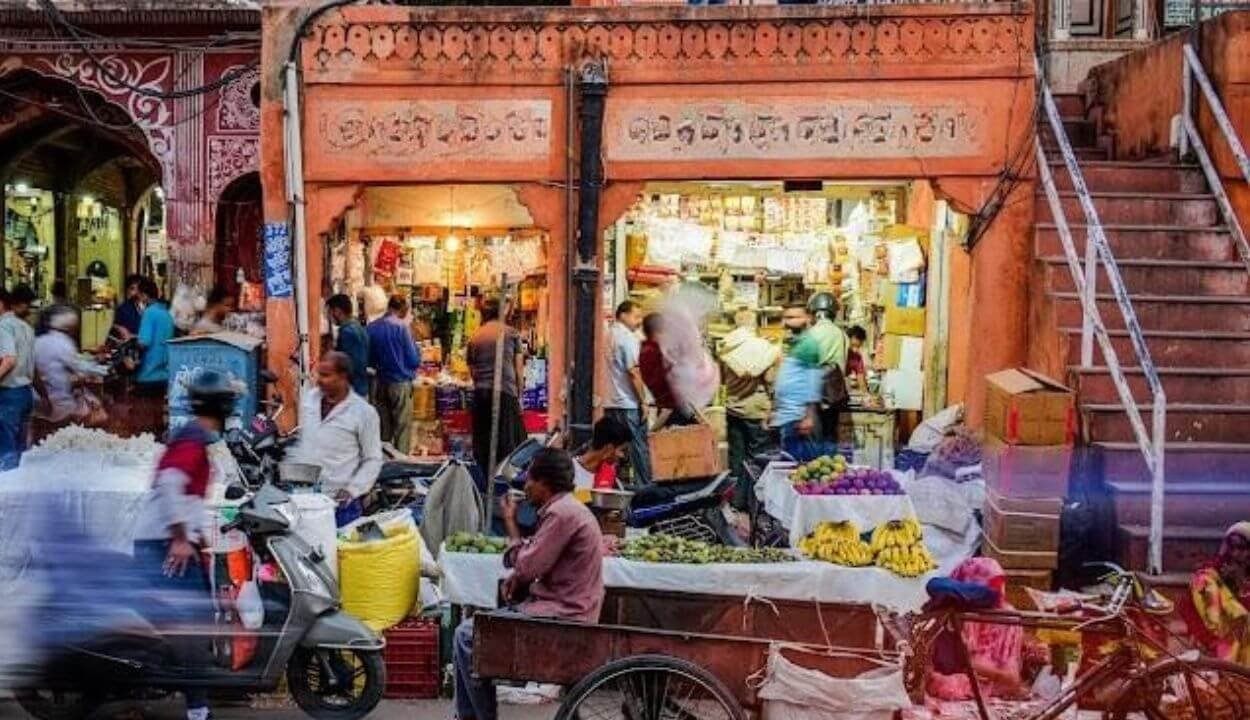
Pushkar has a completely different shopping personality from Jaipur and Jodhpur.
The main market area stretches for around a kilometre and includes shops, emporiums and showrooms selling silver jewellery, accessories, embroidered clothing, leather goods and decorative products. Rajasthan Tourism identifies Sadar Bazaar as the main shopping area in Pushkar.
The market's atmosphere is strongly influenced by Pushkar's spiritual identity and its popularity with domestic and international travellers. You will find colourful fabrics, jewellery, accessories, handicrafts and souvenirs that reflect both Rajasthani traditions and Pushkar's distinctive traveller culture.
Pushkar is also a good destination for combining shopping with food and sightseeing. After exploring the market, you can walk towards Pushkar Lake and enjoy the town's famous vegetarian food scene.
Markets of Jaisalmer
Shopping in Jaisalmer has its own desert-inspired character. The Golden City's old streets are lined with shops selling embroidered textiles, jewellery, leather products, wooden crafts, rugs and decorative items.
Manak Chowk, Sadar Bazaar, Bhatia Bazaar and the lanes around the Jaisalmer Fort are among the areas travellers can explore for local shopping.
Jaisalmer is particularly appealing if you are looking for souvenirs with a strong connection to the Thar Desert. Colourful embroidery, mirror work, traditional textiles and handcrafted decorative pieces bring the region's desert culture into focus.
Rajasthan Tourism also associates Jaisalmer with leather products, musical instruments and stoneware, while its wider craft guide highlights the city's rugs, textiles and traditional crafts.
Shopping in Jaisalmer is best treated as an experience rather than a quick stop. The narrow lanes around the fort can be enjoyable to explore slowly, with plenty of opportunities to discover small workshops and independent stores.
Markets of Bikaner
Bikaner's markets offer a fascinating combination of food, traditional crafts and regional products.
The areas around Mahatma Gandhi Road, Kot Gate and the old city provide opportunities to shop for textiles, leather goods, traditional footwear, handicrafts and local snacks.
Bikaner is particularly interesting for camel-leather products. Rajasthan Tourism notes that the city is known for products such as lampshades, shields, vases and Mojaris made from camel hide.
The city is also famous for its culinary traditions, so a Bikaner shopping walk should not end without exploring its local sweets and savoury snacks.
For travellers interested in traditional craftsmanship, Bikaner's combination of old trading streets, colourful products and distinctive food makes shopping here a memorable part of the journey.
Sadar Bazaar, Barmer
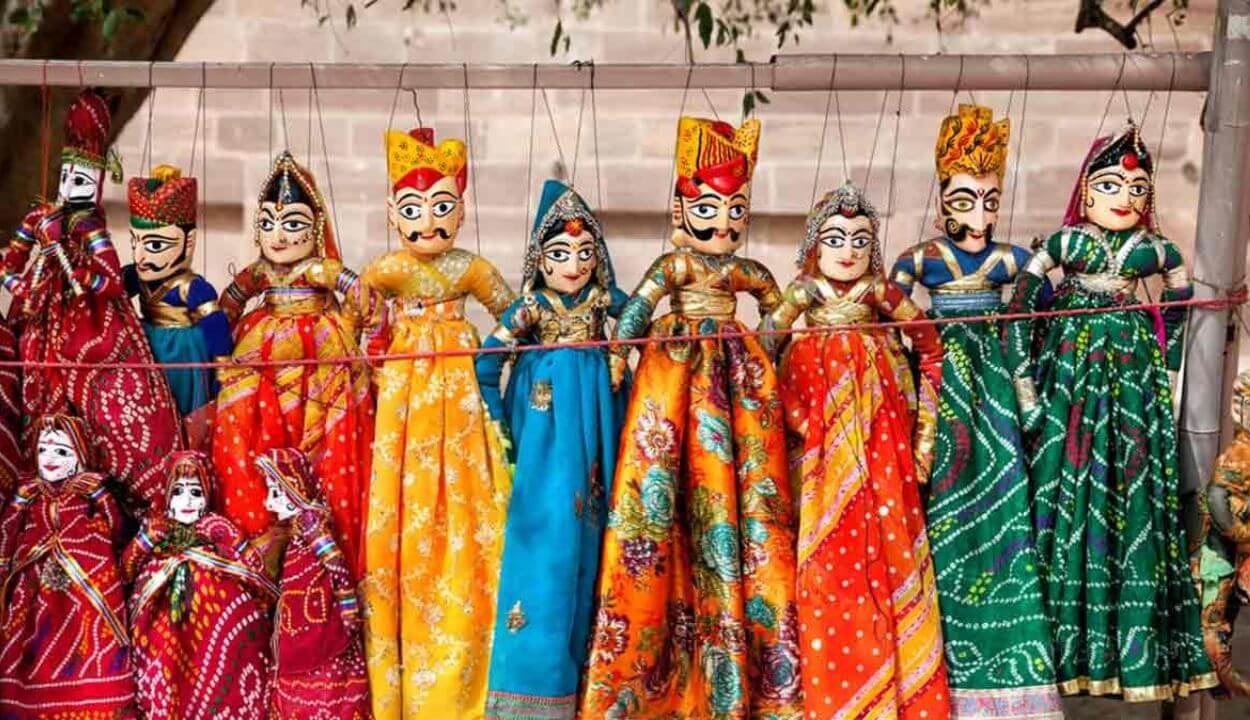
Travellers sometimes overlook Barmer following the classic Jaipur-Jodhpur-Udaipur route, but it deserves attention from anyone interested in traditional Rajasthani crafts.
Sadar Bazaar is known for colourful embroidery, textiles, woollen dhurries and stone carving. The region's craft traditions have a distinctly desert character, with bold colours and detailed embroidery creating products that immediately stand out.
If your idea of shopping in Rajasthan involves discovering less-commercialised craft traditions, Barmer can be a rewarding addition to a longer Rajasthan itinerary.
Kishanpole Bazaar, Jaipur
Kishanpole Bazaar is another market to consider if you want to explore Jaipur beyond the better-known shopping streets.
The market is associated with traditional textiles, tie-and-dye work, wooden crafts and other locally made products. It provides an opportunity to experience a more specialised side of Jaipur's historic shopping culture.
Rajasthan's textile traditions are particularly diverse. The state is known for block printing from Sanganer and Bagru, Bandhej and Leheriya tie-and-dye textiles, Jaipuri quilts and a wide range of regional fabrics.
This makes markets such as Kishanpole especially interesting for travellers who want to look beyond ready-made souvenirs.
What to Buy in Rajasthan
The best thing about shopping in Rajasthan is the sheer variety. You do not have to be a serious shopper to find something memorable.
Rajasthani Jewellery
Kundan, Meenakari, silver jewellery and colourful traditional ornaments are among the most sought-after products. Jaipur is particularly renowned for jewellery craftsmanship and gemstone work.
Bandhani and Leheriya Textiles
Brightly coloured Bandhani and flowing Leheriya patterns are closely associated with Rajasthan's textile heritage. These fabrics make beautiful souvenirs and can be purchased as sarees, dupattas, dress materials, scarves and other garments.
Block-Printed Fabrics
Sanganer and Bagru are particularly known for block printing. If you enjoy textile shopping, look for naturally styled prints, traditional motifs and fabrics that reflect regional craftsmanship.
Mojaris and Juttis
Traditional Rajasthani footwear is both colourful and distinctive. Styles vary between regions, making a pair of handcrafted Juttis or Mojaris a popular travel souvenir.
Blue Pottery
Jaipur's blue pottery is one of the state's most recognisable decorative crafts. Small bowls, plates, tiles and decorative pieces can make attractive souvenirs, although fragile items should be packed carefully for the journey home.
Miniature Paintings
Udaipur and other parts of Rajasthan have strong miniature painting traditions. These artworks can make particularly meaningful souvenirs for travellers interested in Indian art.
Marble and Stone Handicrafts
Jaipur, Chandpole and other parts of Rajasthan are known for carved stone products, figurines, decorative pieces and traditional artwork.
Carpets and Dhurries
For something useful at home, consider a handcrafted carpet or Dhurrie. Rajasthan Tourism identifies Bikaner, Jaisalmer and Salawas near Jodhpur among the places associated with these weaving traditions.
Spices and Local Snacks
Jodhpur and Bikaner are particularly enjoyable for travellers who want to take home regional flavours. Spices, sweets and savoury snacks provide an easy way to extend your Rajasthan experience after returning home.
Best Places in Rajasthan for Different Types of Shopping
If your trip is short, choosing the right city can save considerable time.
For jewellery and gemstones, Jaipur is the obvious choice, particularly Johari Bazaar.
For textiles, traditional clothing and footwear, explore Jaipur's Bapu Bazaar, Nehru Bazaar and other old-city markets.
For handicrafts and miniature paintings, Udaipur's Hathi Pol Bazaar is a strong choice.
For spices, traditional products and old-city shopping, head to Jodhpur's Sardar Market and Clock Tower area.
For colourful desert crafts and embroidered products, Jaisalmer and Barmer are especially appealing.
For camel-leather products and regional food specialities, Bikaner is an excellent option.
For silver jewellery, embroidered clothing and a more bohemian market atmosphere, Pushkar is difficult to beat.
When Is the Best Time to Shop in Rajasthan?
The cooler months from October to March are generally the most comfortable period for exploring Rajasthan's outdoor markets, particularly if you plan to spend several hours walking through old-city bazaars.
Winter also coincides with one of the busiest travel periods in the state, so popular markets can become crowded.
If you visit during the hotter months, plan your market walks for the morning or later afternoon and keep enough water with you. In summer, the heat can make extended walks through crowded bazaars less comfortable.
Festivals and local celebrations can also transform the atmosphere of Rajasthan's markets. During such periods, shops and streets may become especially colourful, although crowds can increase significantly.
Smart Shopping Tips for Rajasthan
Shopping in Rajasthan is supposed to be fun, so approach bargaining with a friendly attitude rather than treating every purchase like a negotiation battle.
Compare prices at a few shops before buying expensive handicrafts or jewellery. For valuable items, ask for a proper bill and any relevant authenticity or quality documentation.
When buying textiles, examine the fabric closely and ask about the material and care instructions. For handicrafts, take a moment to look at the workmanship rather than choosing purely on price.
If you are buying fragile pottery, miniature paintings or stone products, ask the seller to pack them securely for travel.
It is also worth remembering that not everything sold as "handmade" will necessarily be made locally. Travellers who specifically want artisan-made products should ask questions about where and how an item was produced.
Most importantly, leave some room in your suitcase. Rajasthan has a habit of making travellers discover one more colourful textile, one more pair of Juttis or one more beautifully crafted souvenir just when they think they have finished shopping.
Frequently Asked Questions
Which is the most famous market in Rajasthan?
There is no single market that can be called the best for every type of shopping. Johari Bazaar in Jaipur is among the most famous for jewellery, while Bapu Bazaar is popular for textiles, footwear and souvenirs. Jodhpur's Sardar Market, Udaipur's Hathi Pol Bazaar and Pushkar's Sadar Bazaar are also major shopping destinations.
Which city is best for shopping in Rajasthan?
Jaipur is arguably the most versatile shopping destination because it offers a wide range of jewellery, textiles, handicrafts, footwear, pottery and traditional products. However, Jodhpur, Udaipur, Jaisalmer, Bikaner and Pushkar have their shopping experiences.
What is famous to buy in Rajasthan?
Popular things to buy in Rajasthan include Kundan and Meenakari jewellery, Bandhani and Leheriya textiles, block-printed fabrics, Mojaris and Juttis, blue pottery, miniature paintings, marble handicrafts, leather products, carpets, Dhurries, spices and traditional souvenirs.
Which market is best for jewellery in Rajasthan?
Johari Bazaar in Jaipur is one of the best-known markets for jewellery and gemstones. Jaipur has a long-standing reputation for Kundan and Meenakari jewellery craftsmanship.
Which market is best for handicrafts in Rajasthan?
Hathi Pol Bazaar in Udaipur is an excellent choice for traditional handicrafts, miniature paintings and other artistic products. Jaipur's Chandpole Bazaar is another strong option for marble and stone handicrafts.
What should I buy from Jaipur?
Jaipur is particularly well suited for jewellery, gemstones, Kundan and Meenakari work, block-printed textiles, Bandhani fabrics, blue pottery, Mojaris, handicrafts and traditional souvenirs.
Is bargaining common in Rajasthan markets?
Bargaining is common in many traditional bazaars, particularly for souvenirs, textiles, handicrafts and other non-fixed-price products. A polite and reasonable approach usually makes the experience much more enjoyable.
Experience the Colourful Markets of Rajasthan
The best shopping memories in Rajasthan are rarely about the amount spent. They are the stories behind what you bring home.
A colourful Bandhani fabric can remind you of an evening spent wandering through Jaipur. A miniature painting can take you back to Udaipur's art lanes. A packet of spices can bring back memories of Jodhpur. A handcrafted souvenir from Jaisalmer can instantly recall the golden walls of the desert city.
This is what makes famous markets in Rajasthan so special. They connect travel with craftsmanship, culture and everyday life.
So, when planning your next Rajasthan holiday, leave some time between the forts and palaces to simply wander through a bazaar. Follow the colours, listen to the sounds of the old city, speak with local shopkeepers and explore beyond the first shop you see.
From the jewellery-filled lanes of Jaipur to the artistic markets of Udaipur and the vibrant bazaars of Jodhpur, shopping can become one of the most memorable parts of your Rajasthan tour.
Plan Your Rajasthan Shopping Experience
A well-planned Rajasthan itinerary can combine sightseeing, heritage experiences and shopping across Jaipur, Jodhpur, Udaipur, Jaisalmer, Bikaner and Pushkar. If you want to experience the state's famous markets without rushing from one destination to another, choose an itinerary that gives you enough free time to explore the local bazaars at your own pace.
Explore Rajasthan With Comfort & Luxury
Book customized Rajasthan tours with taxi, hotel stay, sightseeing and local travel support.
Enquiry Now Call Us NowBlog Categories
Explore blogs by category
.jpg)
Top Tourist Attractions in Rajasthan 25 Must Visit Places for an Unforgettable Trip

The Famous Food of Rajasthan A Delicious Journey Through the Flavours of the Royal State
.jpg)
Festivals in Rajasthan
.jpg)
Uttarakhand Tourism Guide 2026: Explore Char Dham, Hill Stations, Wildlife & Himalayan Adventures

Kashmir Tourism Guide 2026: Explore Srinagar, Gulmarg, Pahalgam, Sonamarg & Paradise on Earth
Need Instant Help?
Chat directly with our travel expert and get quick pricing & tour details.
WhatsApp Now